We are quite excited about the completion of our final prototype intake for the Ford Fiesta ST (FIST)! After months of development, testing, and design work, we are ready to present our final creation. First we will go through each component and cover important details regarding their features.
Silicone Turbo Inlet Hose
Starting at the turbocharger compressor inlet, we have our silicone inlet hose. This piece was constructed specifically for this kit and is extremely robust.
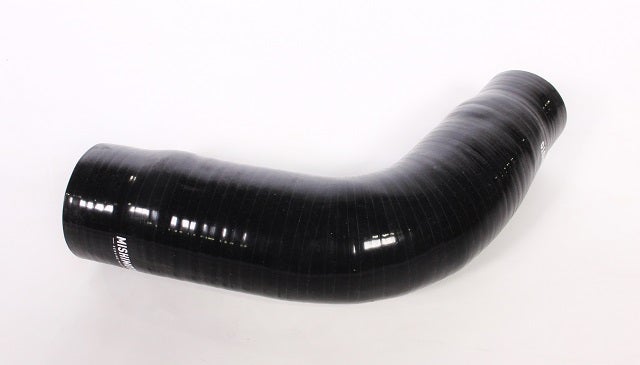
Mishimoto's Ford Fiesta ST intake silicone inlet hose
Five layers of silicone comprise this hose, along with embedded fibers and steel wire for added rigidity. This hose must withstand the suction created
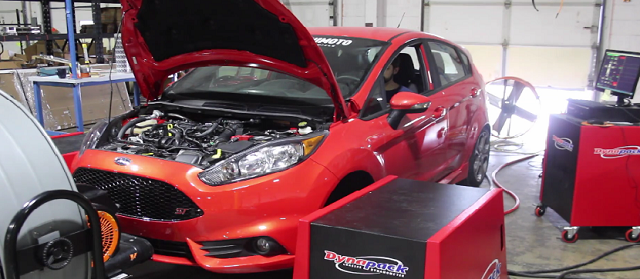
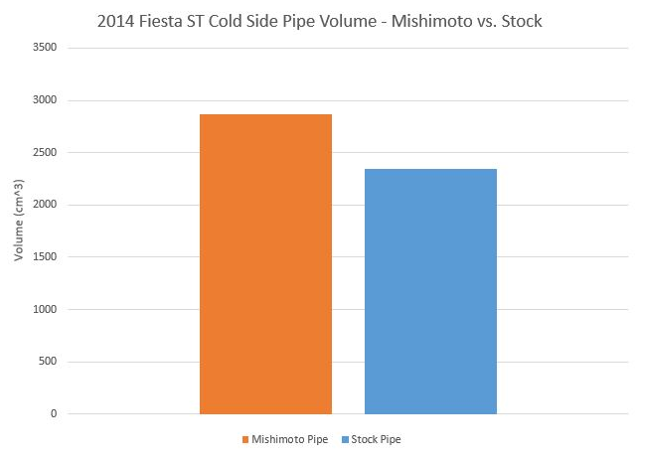
We are nearing the completion of this project. Our engineering team is ready for dyno testing that will verify any power gains made with our larger-diameter intercooler piping. Exactly how much larger is the piping we designed?
Fiesta ST charge pipe volume comparison hot side
The Mishimoto hot-side design provided the greater increase in volume between the two, coming in at a 51% increase over the stock pipe.
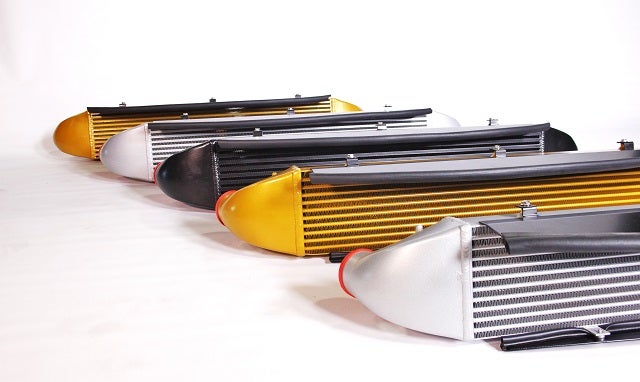
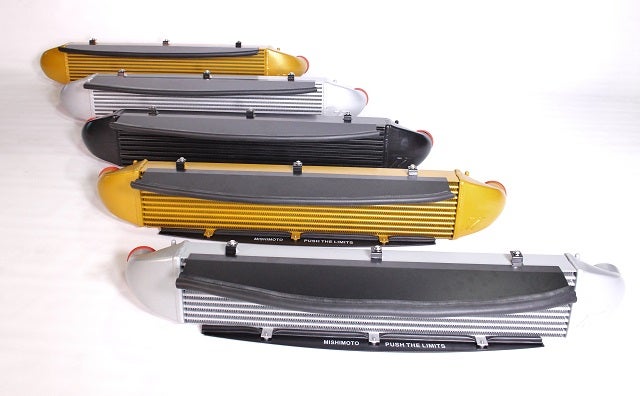
We're back with another update! Our team has been busy constructing our functional Ford Fiesta ST (FIST) intercooler prototypes, putting a lot of work into the R&D design stages, and now we get to see if it pay off. Enough of the wait, lets jump right into some images of our five prototype coolers.
Check out the fifth segment of the Mishimoto 2016 Camaro SS video review series! In this video we provide an in-depth look at the factory-equipped transmission/differential cooling system.
Our next video will include details about the front suspension of our SS.
Internal combustion engines are essentially controlled bombs; air and fuel combust to drive pistons and crankshafts. One byproduct of this violence is power, but there are darker horses to contend with. During combustion, high pressure on the top side of the piston pushes combustion gasses, as well as droplets of oil and fuel, past the piston rings and into the crankcase. This mixture is known as "blow-by."
Many modern vehicles use complex PCV systems to vent blow-by from the crankcase.
To keep the crankcase from becoming pressurized, causing issues with oil sealing and robbing the engine of power, blow-by is pulled from the crankcase via the positive crankcase ventilation (PCV) system and routed back into the intake. You may be seeing the
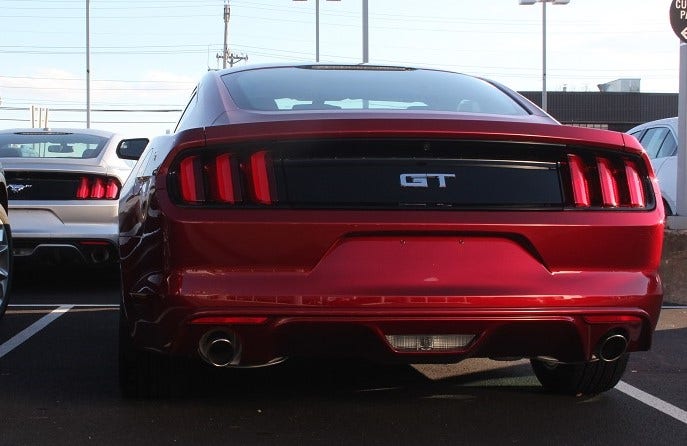
At Mishimoto, our job is to bring you more than just exceptional cooling products. Another product category that we offer is exhausts, and what better car for an exhaust project than the fantastic-sounding Mustang GT!
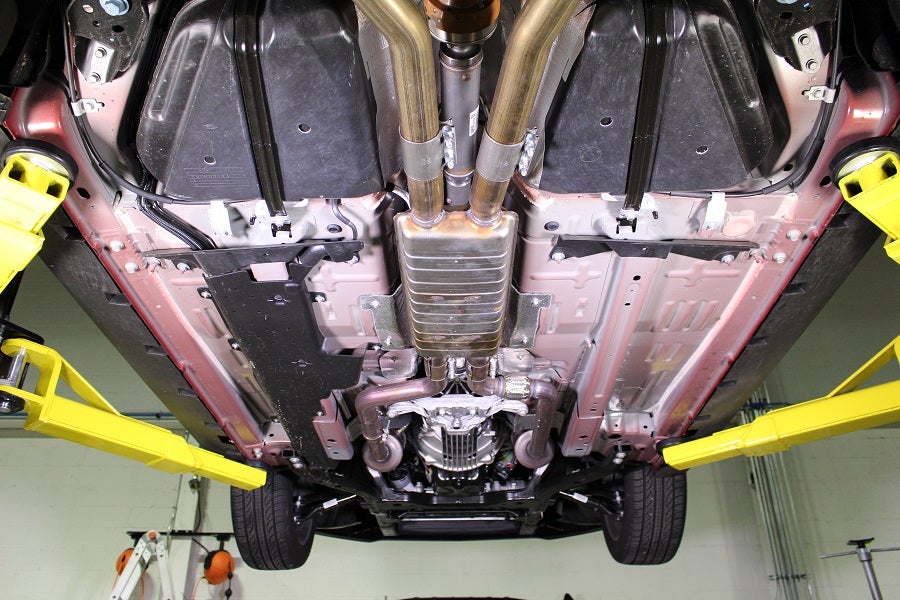
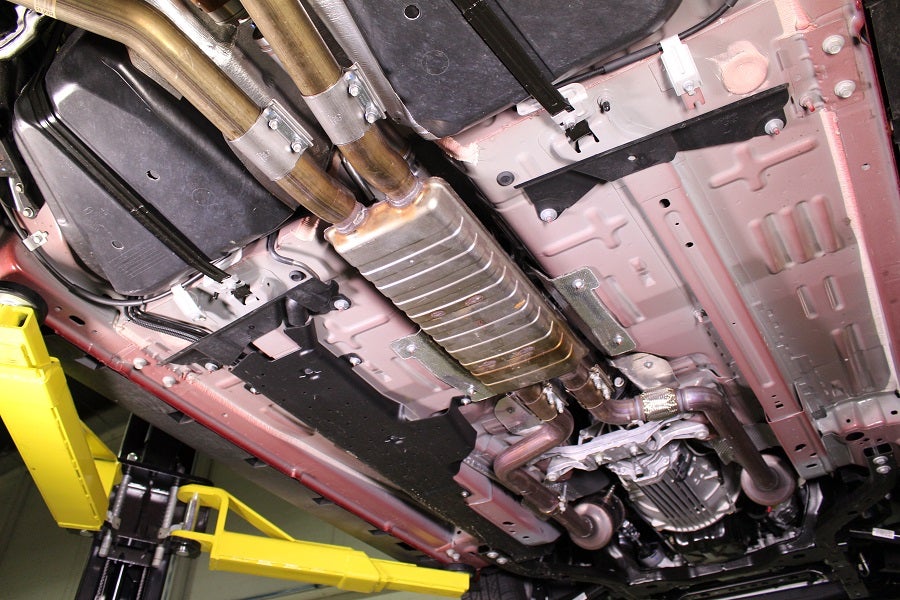
The stock system on the Mustang GT sounds pretty darn good as is, but after inspection we found some ways that we could improve on the stock design. If you aren't familiar, here are some photos of the stock Mustang GT exhaust.
Our first segment of this STI intercooler project involved the test fitting of our WRX crash beam and intercooler core. We were able to verify fitment of both pieces, which allowed our team to move on to piping fabrication. We are starting this kit with the cold-side pipe, which we've decided to place this on the passenger side of the engine bay to reduce the piping length as much as possible. Following this strategy should help reduce lag seen by the driver.
Pipe Fabrication
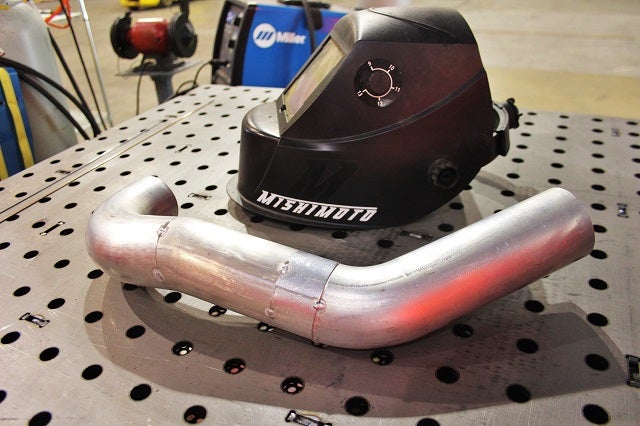
The cold-side pipe is a great place to start because we are able to use a portion of one of our existing kits. Because the 2015 model shares the EJ from the 2008+, we will be reusing the pipe that attaches to the throttle body and incorporates the BPV (bypass valve).
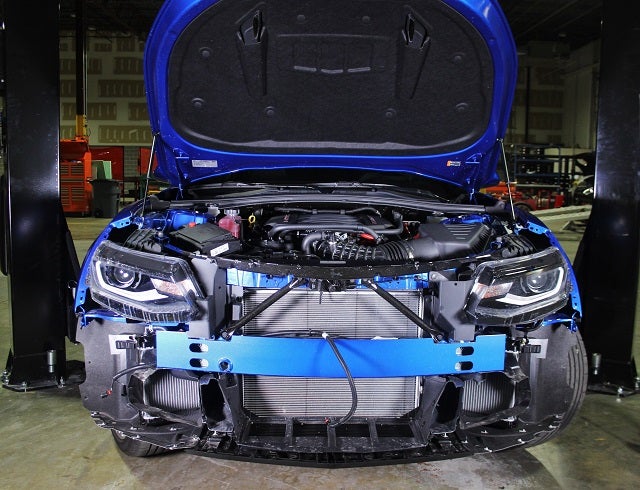
We're back with another in-depth look at our 2016 Camaro SS. This video covers the functionality and components included in the factory radiator system. In addition to the radiators, Jason also discusses the stock oil cooler setup and its unique features.
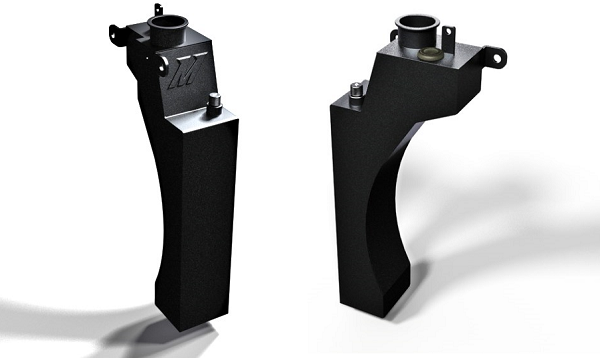
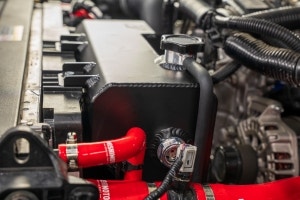
We last left you with some details of our initial design and a hint of an upcoming pre-sale for this overflow tank. Unfortunately, since that initial test fit we hit a few snags in the design process. Our goal with this product is to provide compatible fitment with all our other 2008+ WRX and STi components. This required numerous stages of test fitting, one of which revealed an issue. With our larger 3-row X-Line aluminum radiator installed, our sight tube on this expansion tank design ended up too close to the belt drive system on our Subaru.
We decided a revision was necessary. Although the two components were not physically touching, the clearances were just too tight for our comfort. Luckily, our team had an
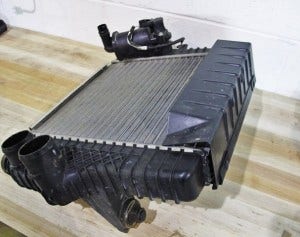
After taking a brief look at the factory cooler and components, we needed to begin the design for our counterpart. This will involve the use of both modern and conventional tools to ensure that our prototype meets all our requirements.
Factory Intercooler Features
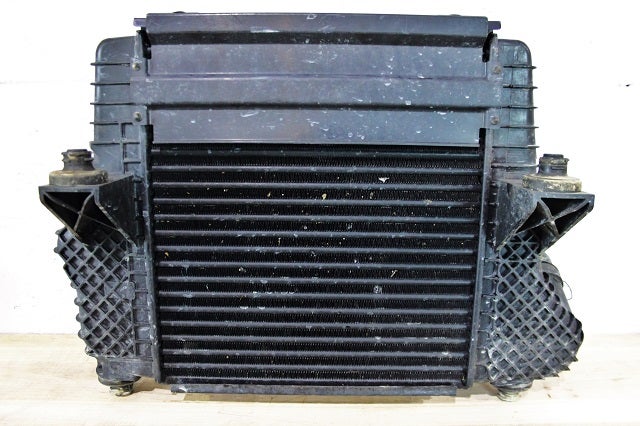
Factory F150 intercooler
The factory intercooler pulled from our test vehicle came with the upper shroud that Ford had added to help prevent condensation issues. It also included a couple mounting pegs which use grommets for isolation.