In 2006, BMW introduced a new mass-produced turbocharged engine for the first time in twenty years—the N54. Three years later, they released the N55 as a successor to the N54, which offered fuel efficiency and reliability improvements over its predecessor. While the two engines have their differences, at their core they’re both three-liter, turbocharged straight-six engines, both put out over 300 horsepower, and both were used for as the powerplant for numerous BMW models. But they have something else in common—a weak point.
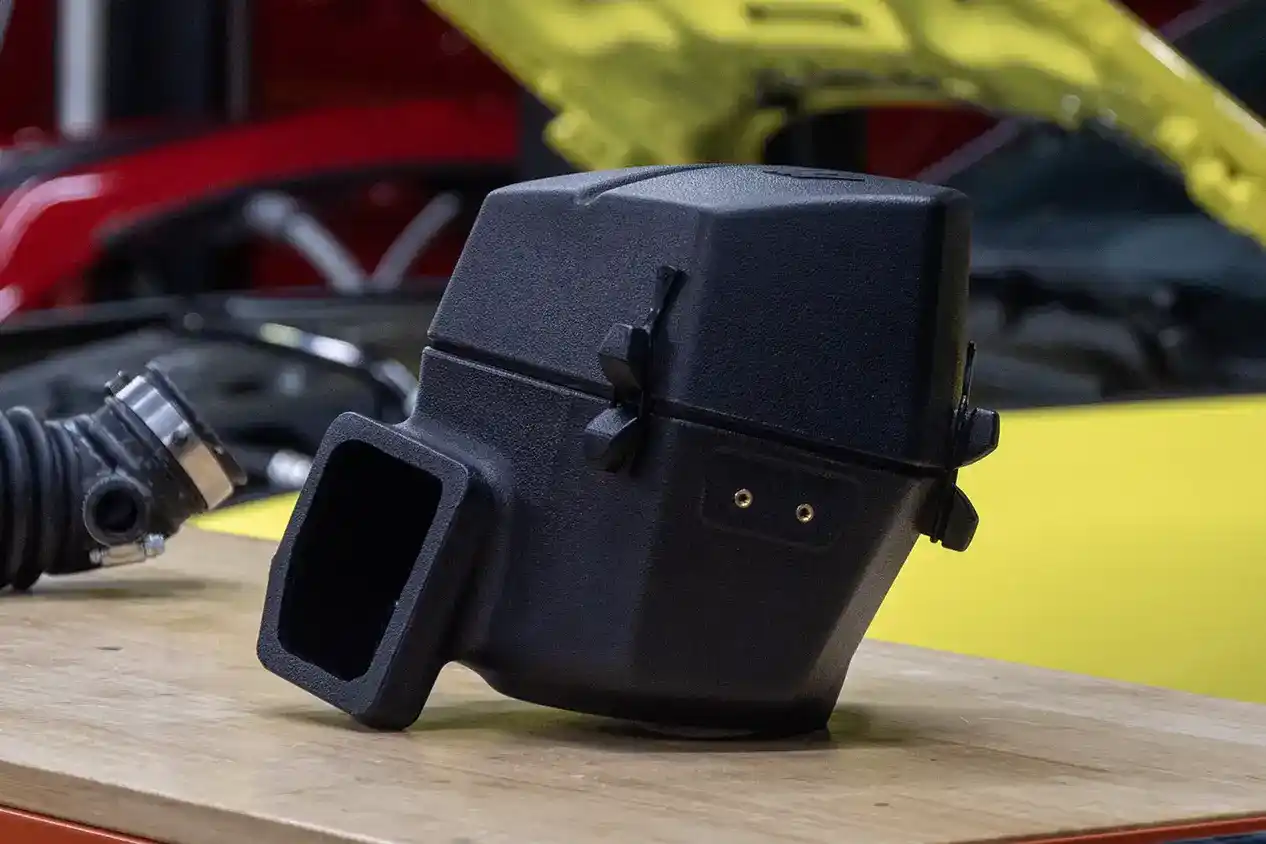
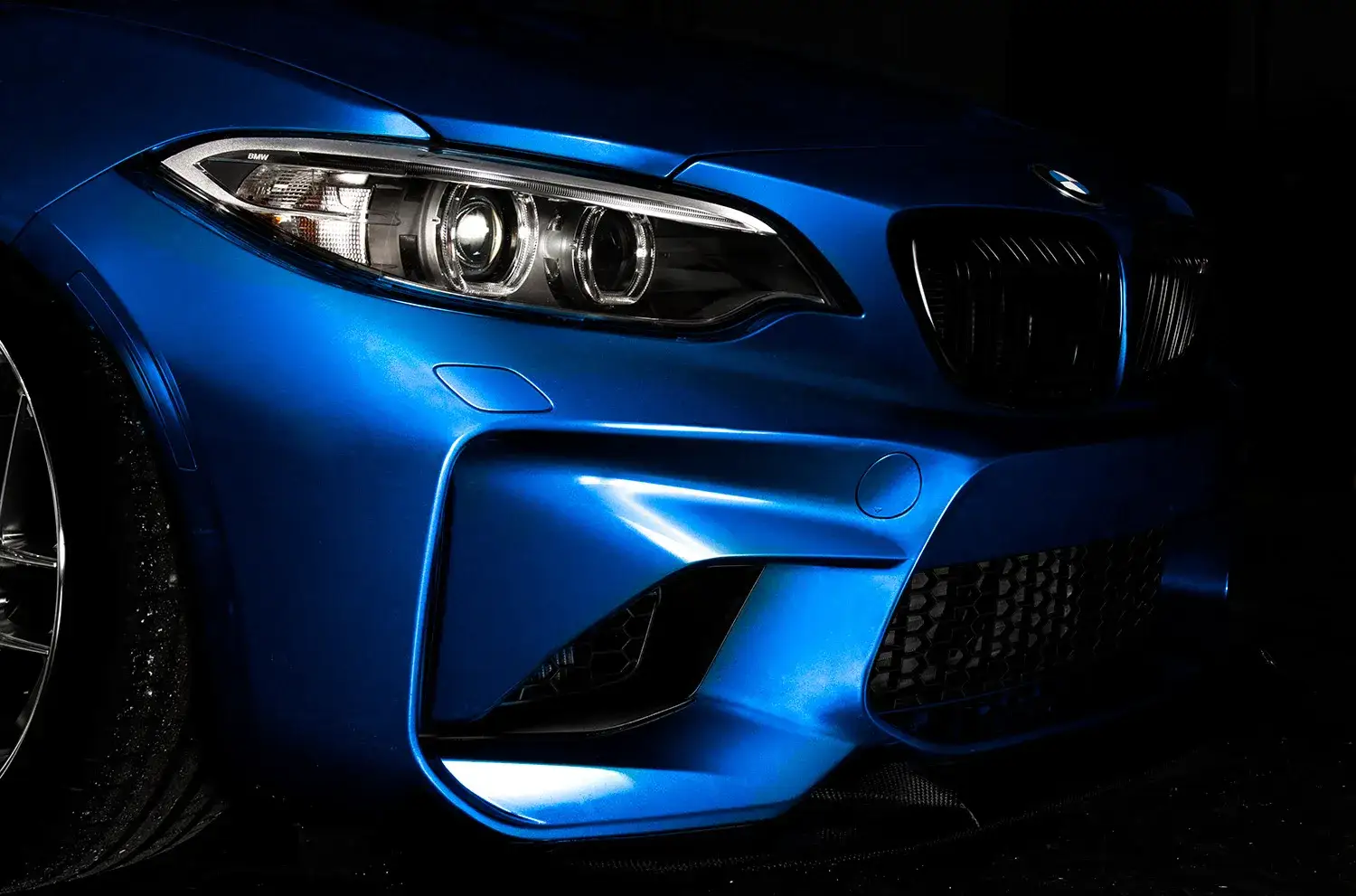
Fig 1. A 2017 BMW M2 in our garage for test fitment.
Stock Evaluation
Hop onto any BMW forum and search for either engine with the words “charge pipe”. It won’t be long before you find post after post about the charge pipes on these engines cracking and failing, even on stock tunes. The OEM charge pipes used on the N54 and N55 engines are plastic, which becomes brittle and weak after time and repeated heat cycles. Once the charge pipe cracks, the engine begins drawing
When Nissan planted the powerful VR30DDTT 3L V6 engine with twin turbochargers in the Nissan Z, there wasn’t much room left in the engine bay. The cramped area didn’t allow enough space to accommodate the traditional top-and-bottom-split airbox design, so they created a unique single-piece airbox with vertically inserted panel filters that maximized flow while minimizing size.
As enthusiasts and engineers, we tipped our hats to appreciate the work Nissan did with this design. But we couldn’t help but ask ourselves—how can we make it even better?
• Achieve better airflow than stock • Ensure a direct-fit, bolt-on installation • Create a design that lets the user alternate between a sealed or open airbox setup • Deliver a high-quality intake tone • Maintain a safe air-to-fuel ratio and ability to run on a stock tune
She began by inspecting and removing the stock airboxes to determine