Monthly Archives: August 2014
-
Interested in purchasing our 6.7L Powerstroke radiator? Check out our product page for more information!
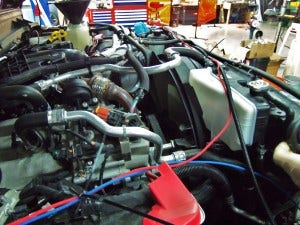
Time to put some numbers behind the effort our team has put forth on this project! As mentioned in the last post, we would be collecting real-world driving data to analyze the effectiveness of our performance aluminum radiator against the factory unit. To prepare for this, we attached our temperature sensors to both the inlet and outlet of the radiator. This would allow us to analyze the efficiency of the radiator by comparing the reduction in temperature from inlet to outlet. Check out these sensors attached to the factory radiator.
Continue Reading »
-
Interested in purchasing this E46 oil cooler? Check out our product page for more information!
The BMW S54 won the "International Engine of the Year" award at its inception in 2001 and was consistently on "Ward's 10 Best Engines" list for four years. It's hard to argue against the E46, an 8,000 rpm, 3.2L straight-6 producing over 330 hp and 260 ft-lb of torque, with a competent chassis, an exhaust note that straightens the neck hair of all within earshot, and a body styling that is unmatched in uniqueness. Although my opinion is slightly skewed, being a fan of most BMW products, many would agree that the E46 was a fantastic vehicle for the street and even better for the track. E46 M3 pricing has trickled downward over the past few years, meaning that even those on a tighter budget can find their way into the cockpit of one of BMW's finest. We are seeing these vehicles at track
Continue Reading »
-
Interested in purchasing our 6.7L Powerstroke radiator? Check out our product page for more information!
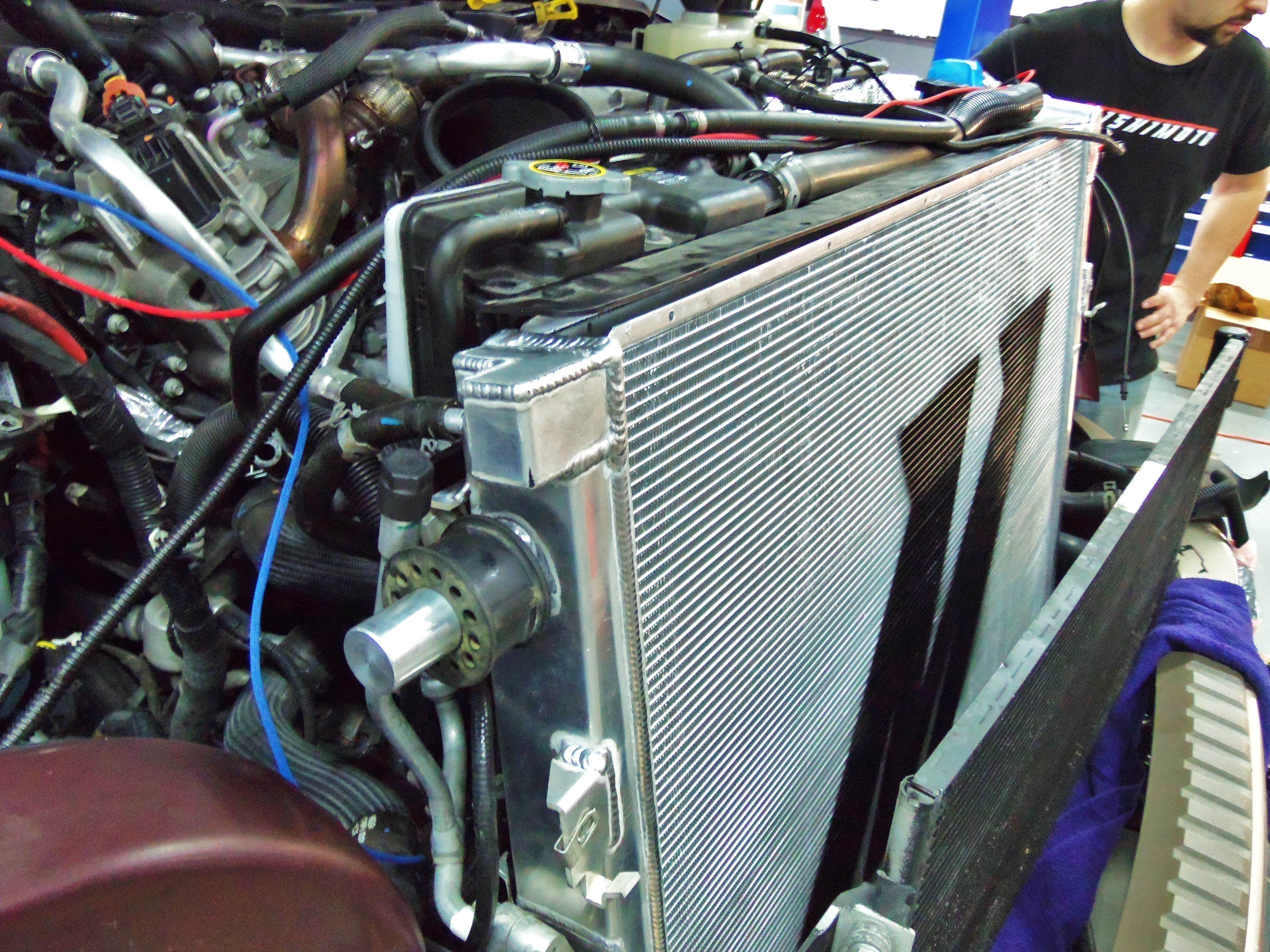
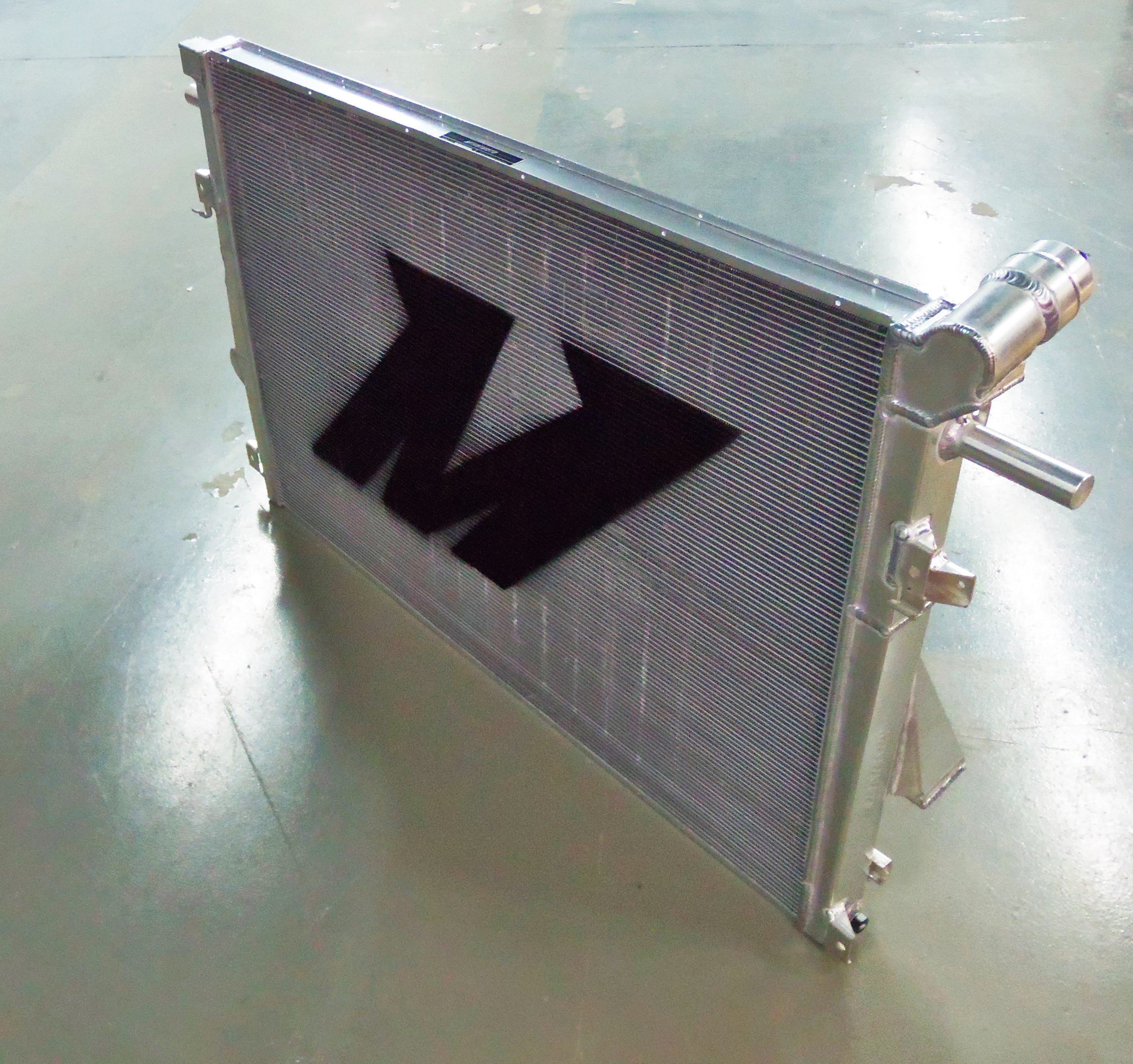
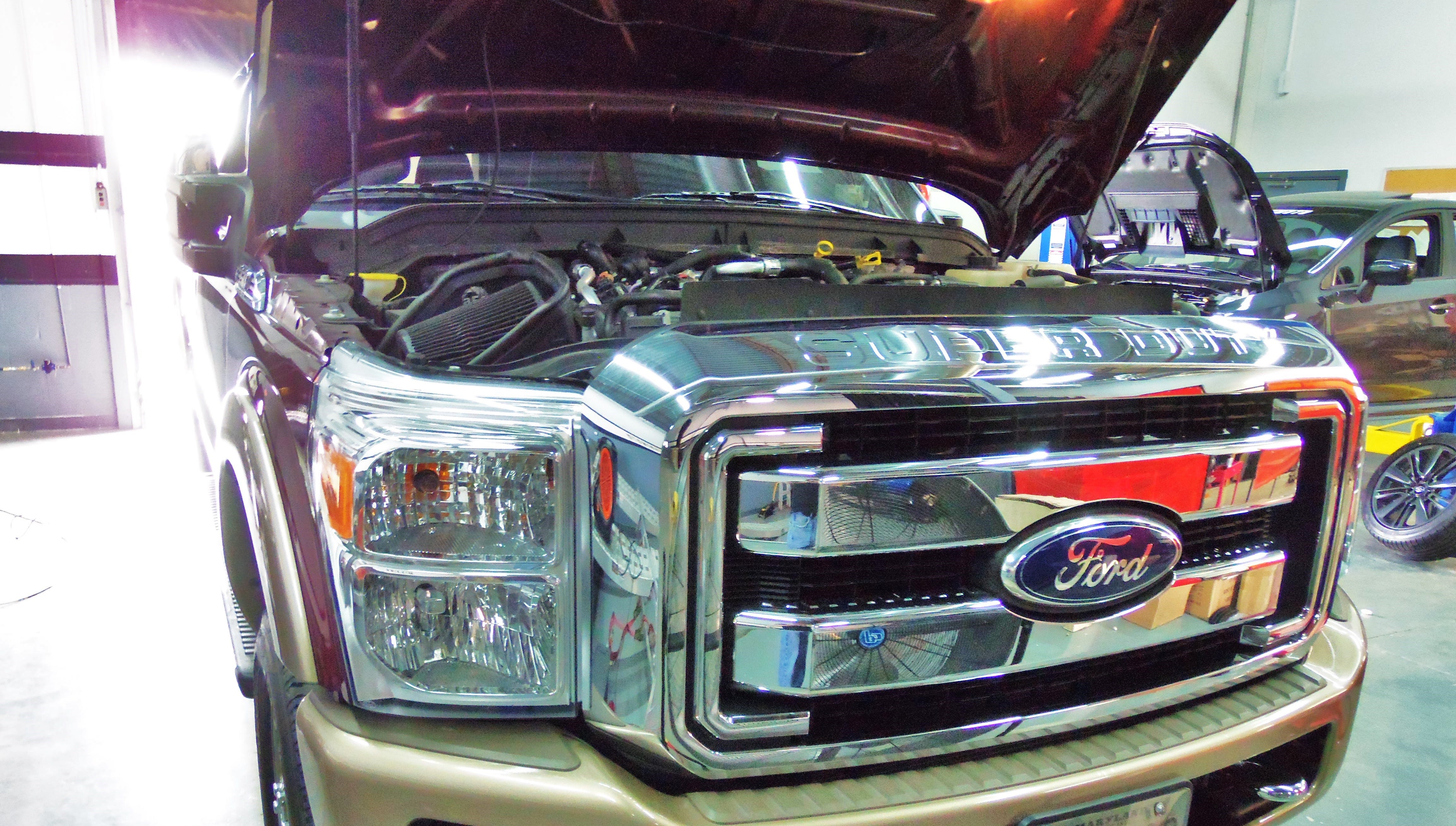
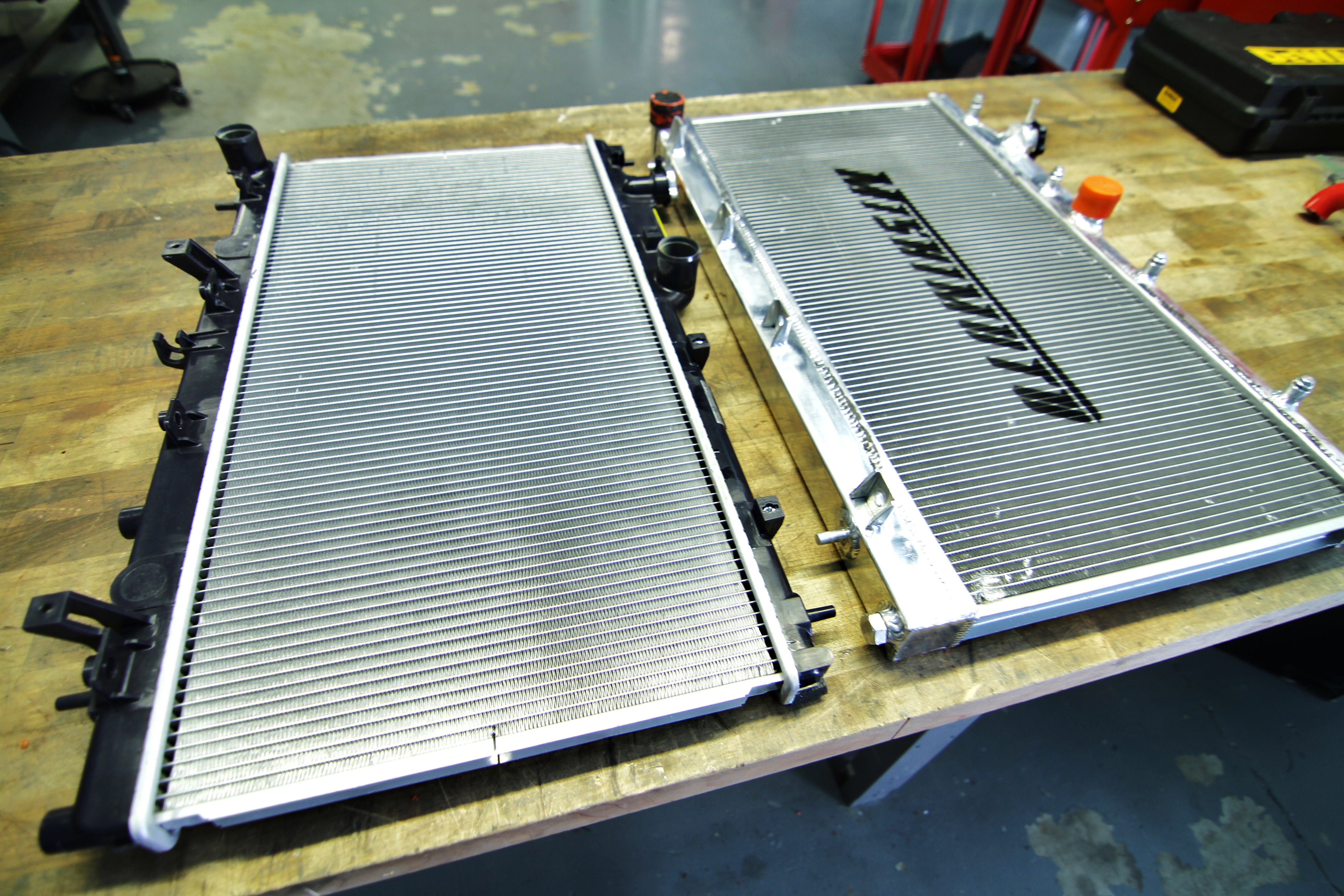
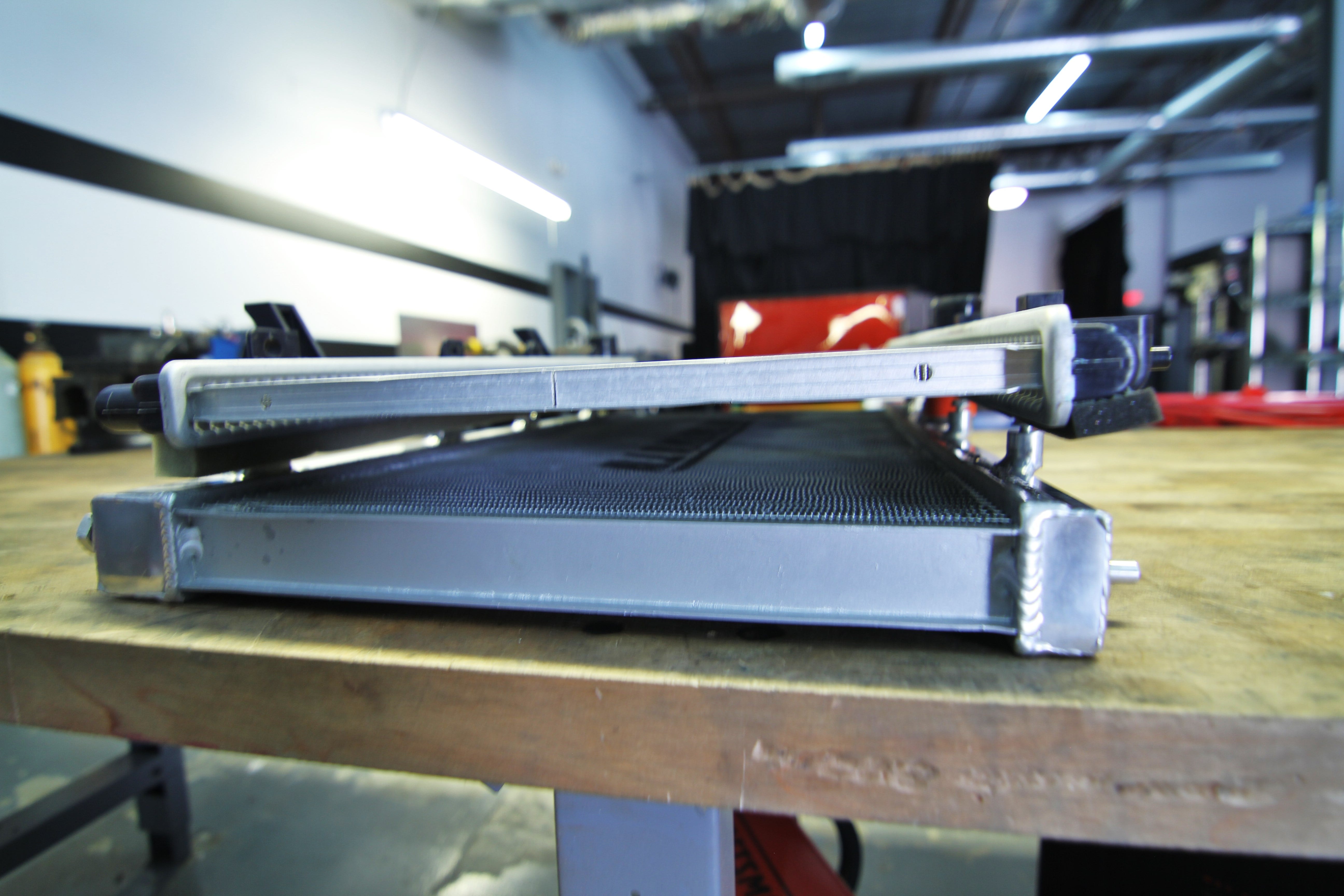
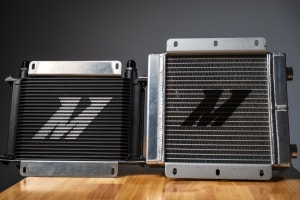
Now that the prototype was complete and all dimensions checked out with our drawings, it was time to drop this into a truck to ensure that fitment was spot on with all engine bay components. To give you an idea of the scale, take a look at this unit next to one of our Subaru WRX aluminum radiators.

Mishimoto 6.7L Size comparison of Powerstroke prototype radiator (left) and Subaru WRX aluminum
Continue Reading »
-
Interested in purchasing our 6.7L Powerstroke radiator? Check out our product page for more information!
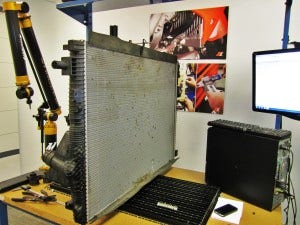
Time to design a new radiator! Now that we had the factory radiator removed and the engine bay dimensions documented, we needed to determine the individual dimensions of the factory radiator. We set the radiator up on our Romer arm to begin drawing this component in 3D. Check it out!

6.7L Powerstroke factory radiator modeling
This tool allows our engineers to capture dimensions in a controlled environment. The radiator is secured to
Continue Reading »
-
Interested in purchasing our 6.7L Powerstroke radiator? Check out our product page for more information!
The Ford Powerstroke 6.4L has not had a fantastic reputation for radiator reliability. Radiator failures are nearly a guarantee, with many vehicle owners experiencing frequent failures in an extremely short time frame. Ford began tackling the problem with a variety of Technical Service Bulletins for coolant system upgrades to remedy the issues. To provide even more protection, the team at Mishimoto developed a very successful bolt-in radiator for the 6.4L that eliminates several common failure points in the factory unit: the plastic material used in the end tanks, and the crimp connection of the core to the tanks. We also investigated the reasoning for frequent failures in certain trucks, and we identified several factors that would
Continue Reading »
-
Interested in purchasing our WRX catch can kit? Check out more details on our product page linked below!
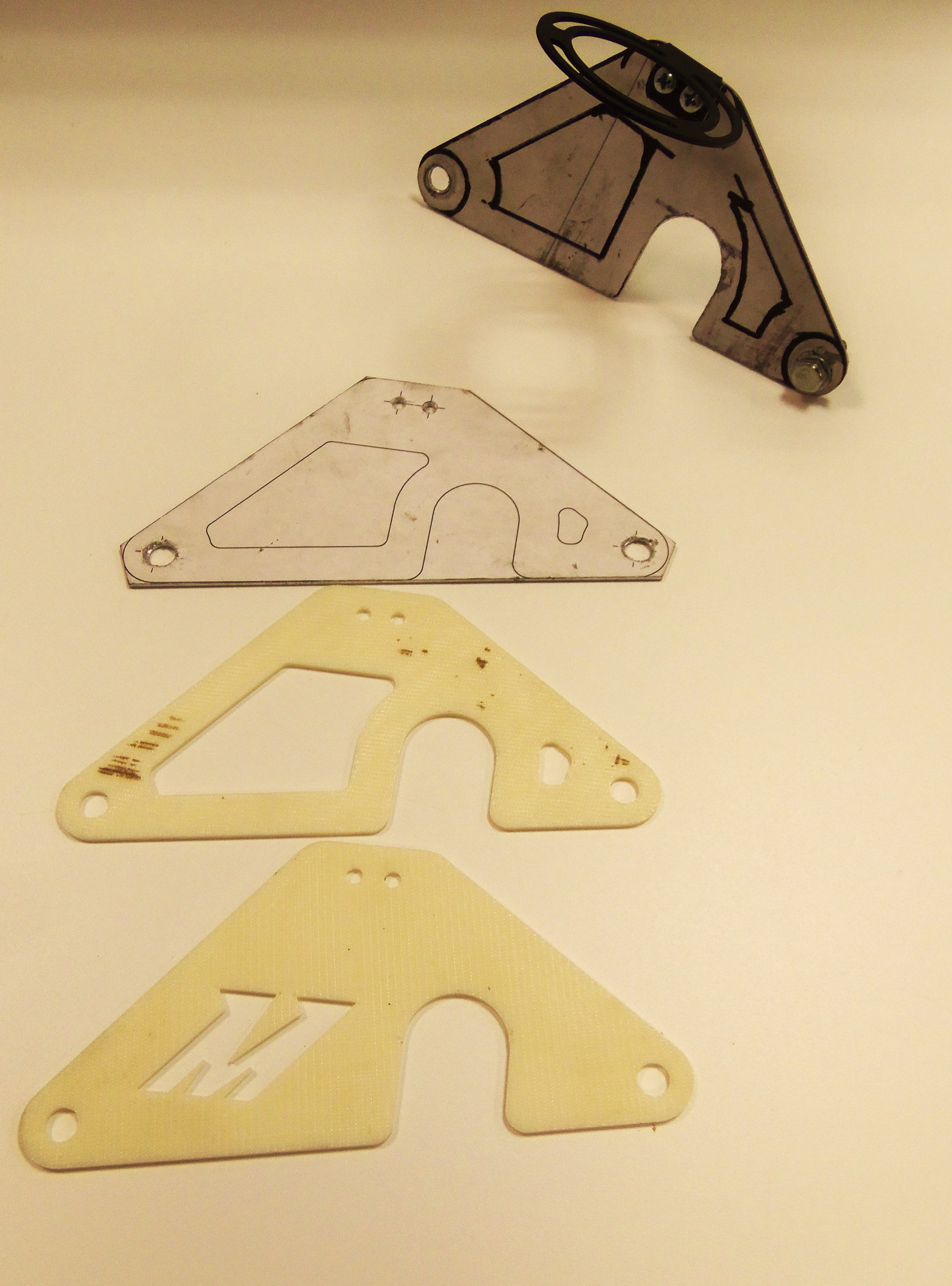
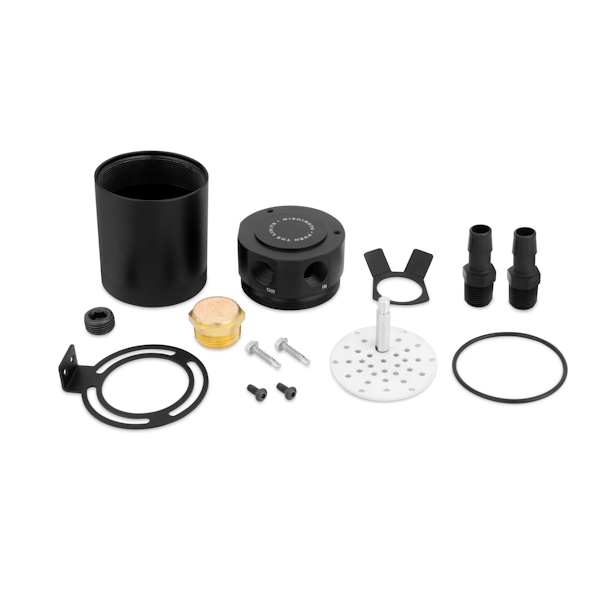
The final kit is ready for installation! After months of development and test fitting, we finally had our completed prototype components ready for fitment verification prior to mass production. Check out all of the components below!
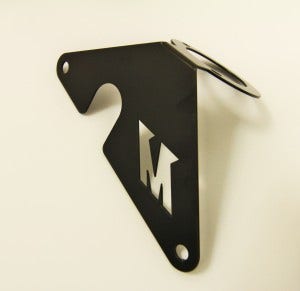
First, the passenger side catch can bracket for the PCV system.

Final PCV catch can bracket
Next up is the finished version of our dual port catch can!
Continue Reading »
-
Interested in purchasing our 2015 WRX aluminum radiator? Check out our product page for more information!
Now that we had a finalized prototype, it was time to test this component to ensure that our improvements over the stock unit resulted in real-world advantages for our customers. An aluminum radiator provides the instantaneous benefit of increased reliability over the stock plastic unit. Despite this, cooling performance is always our primary goal with a heat exchanger.
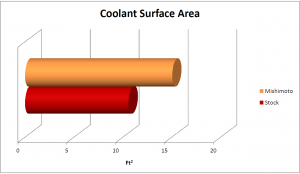
Prior to actual road testing, our engineering team put together a few charts illustrating the improvements over the stock radiator.
Continue Reading »
-
Interested in purchasing our WRX catch can kit? Check out more details on our product page linked below!
Time to start designing brackets! After a quick recap of the project goals, our creative engineering team began brainstorming. First, they selected a location for the catch can on the PCV valve side. It would need body mounting points for the can bracket, and preferably a short route for the hose so as not to complicate the engine bay. Our goal is a clean installation that appears stock-like, not a medusa of hoses routed about the engine bay.
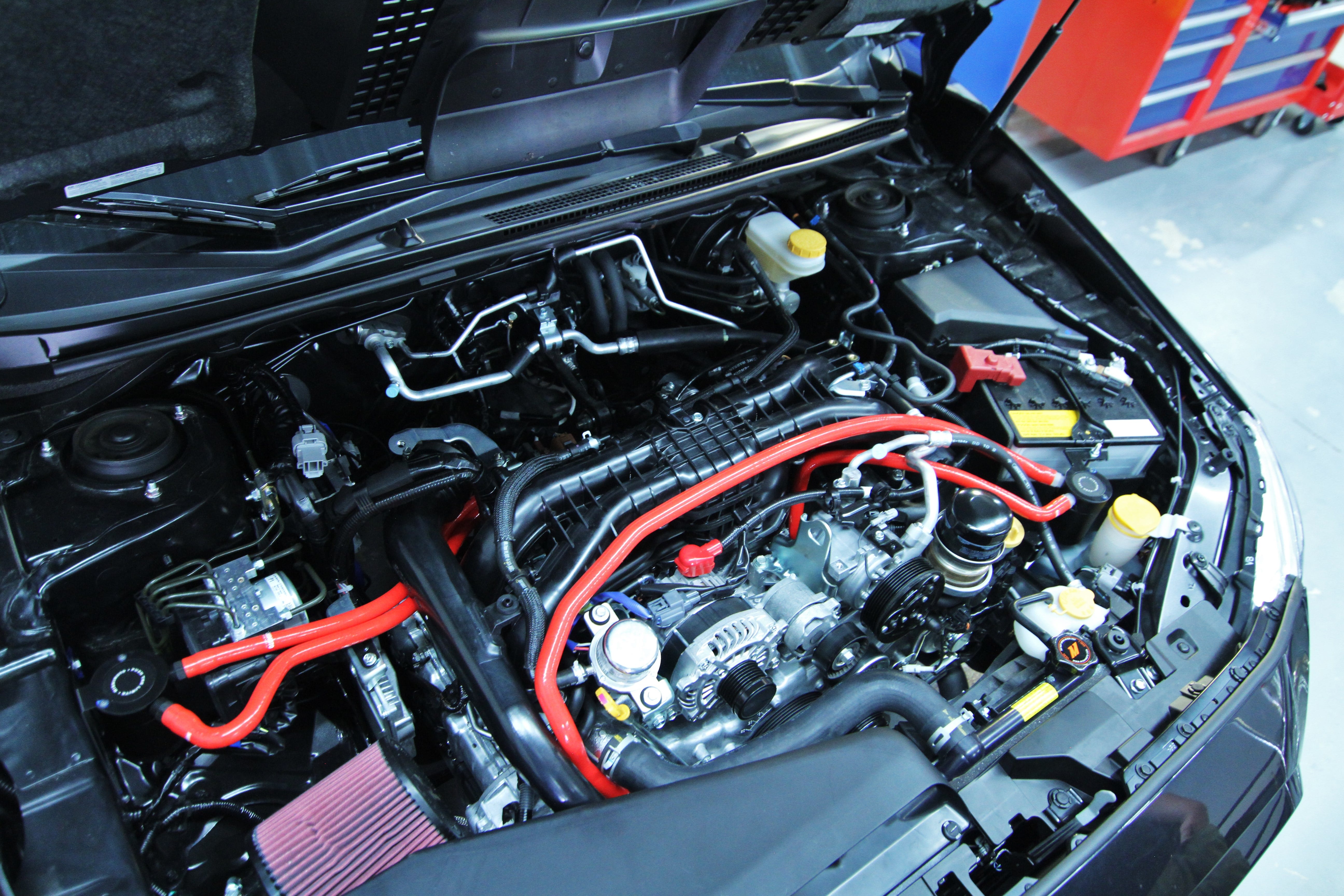
The PCV valve on the 2015 WRX is located under the intercooler toward the rear of the engine block. You can see it in the image below, taken during a later stage of development of this kit.
Continue Reading »
-
Interested in purchasing our 2015 WRX aluminum radiator? Check out our product page for more information!
No need for an introduction, let's check out our second prototype!

Mishimoto prototype 2 radiator

Mishimoto prototype 2 radiator
Continue Reading »
-
Interested in purchasing our WRX catch can kit? Check out more details on our product page linked below!
If you follow our engineering blog or are involved with any of our social media outlets, you should be well aware of the new baffled oil catch can we recently released. This new product features a much smaller footprint compared to our existing catch can, allowing for fitment in tighter engine bays.
While developing this catch can, we wondered about using it in direct-fit kits for popular vehicles. For most drivers, a catch can is a DIY project requiring only the routing of hoses and fabrication of brackets for mounting the can. Installing a DIY setup that appears like it was made for the vehicle can be quite a challenge. This is where we come in, to take the guesswork out of a catch can installation. We are planning to provide mounting brackets, hardware,
Continue Reading »