CAC

  1. Old Dog, New Tricks - Intercooler R&D, Post 1: A Core Review

    Old Dog, New Tricks - Intercooler R&D, Post 1: A Core Review

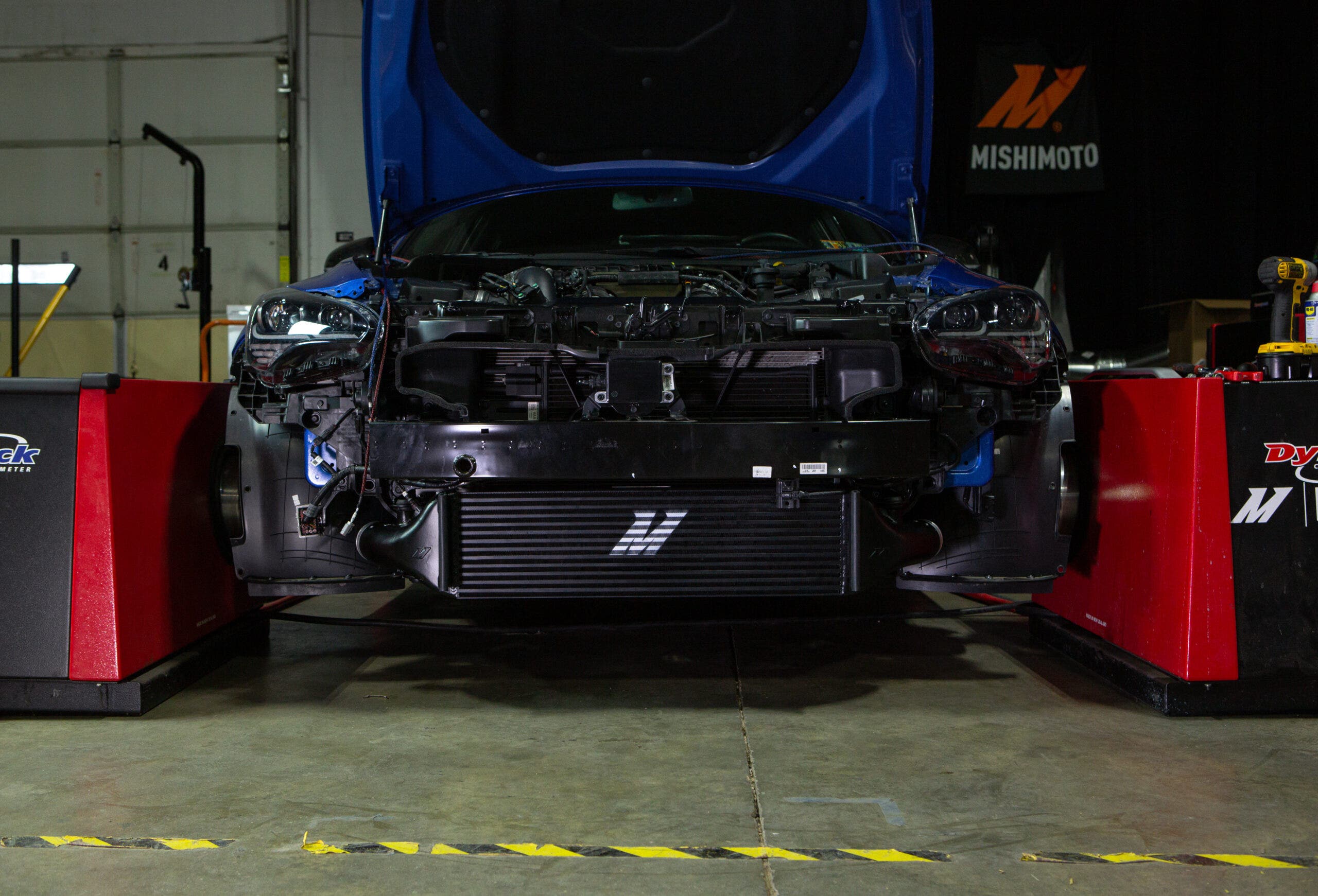
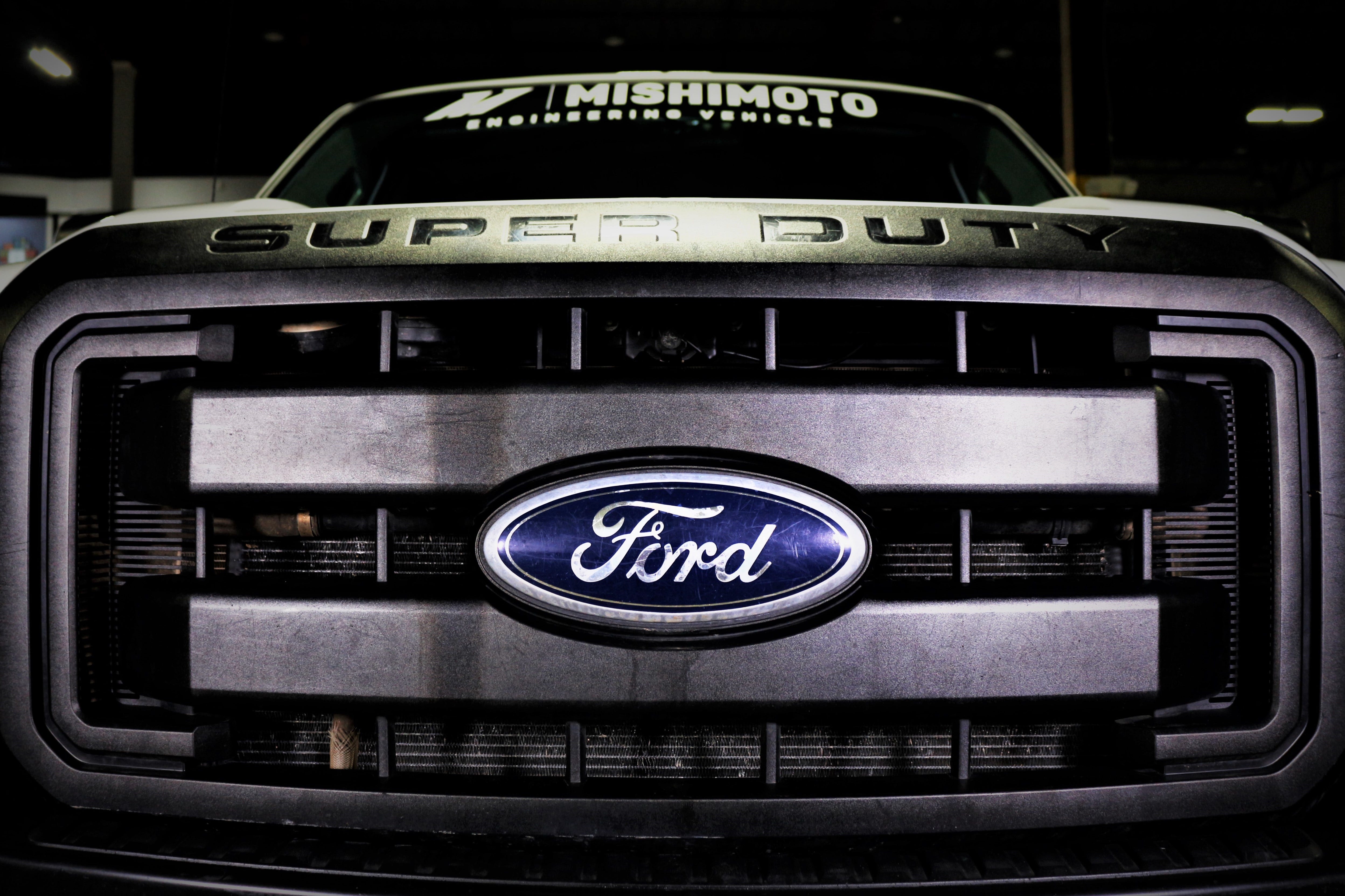
    Everything about Ford's Super Duty Powerstroke brand screams, well, Super Duty. It has done so since they were first put in the Econoline Vans in the mid "90's. Our 2011 is equipped with the 6.7L turbodiesel V8 engine, and it's clear Ford has engineers who really took the Super Duty term to heart. There are two batteries, two radiators, two thermostats, two coolant expansion tanks, an engine oil cooler, a transmission oil cooler, an EGR cooler - this truck even has a fuel cooler. Just looking at the engine bay of this monster can be a bit daunting, especially to a guy used to dealing with smaller, beat up, four-cylinder engines. Fortunately, our engineers are well-versed in the nuances of this truck, as we already have many items out on the market for this application including a full charge pipe kit and both upgraded secondary and primary radiators.
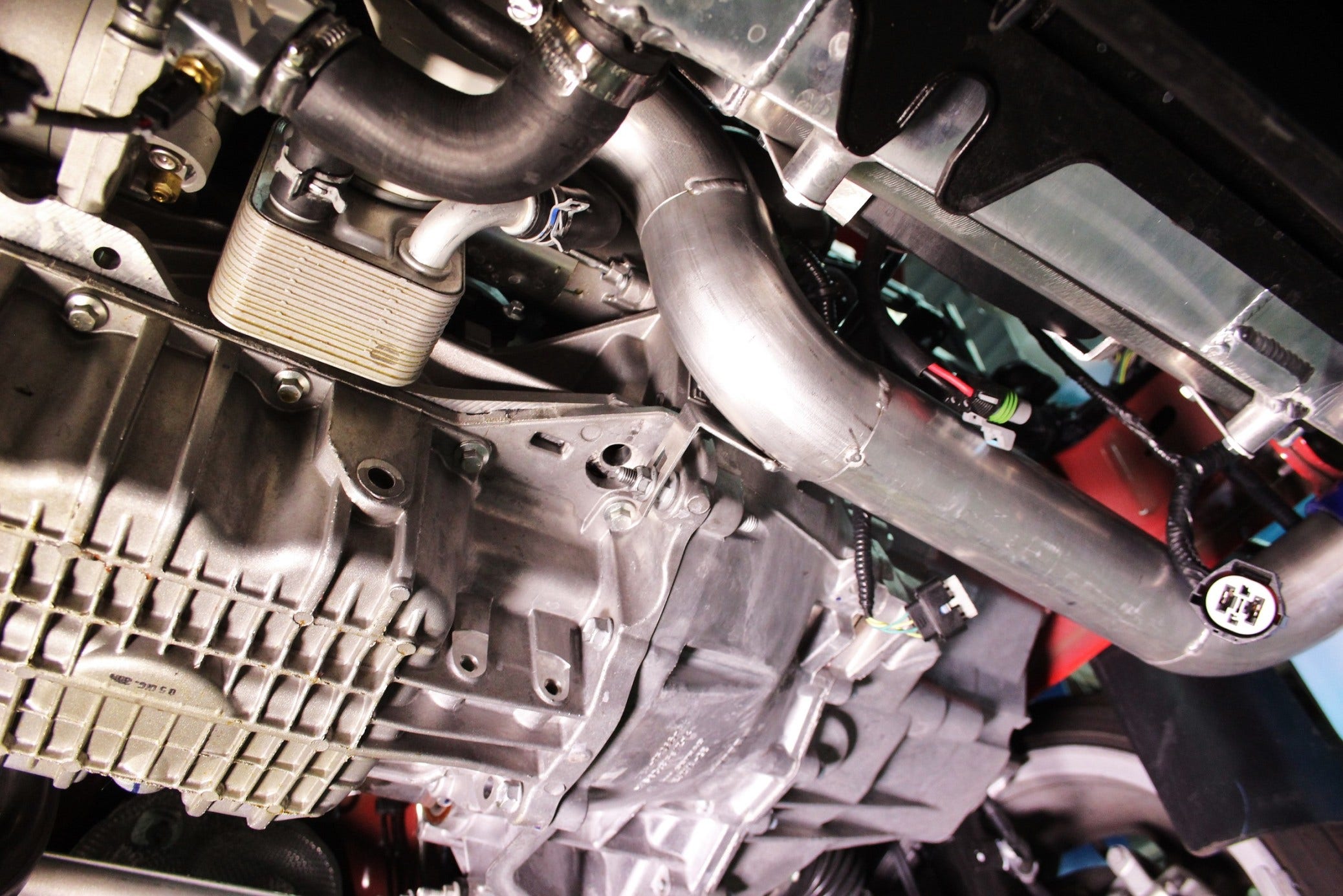
    The engine bay of this 6.7L is very busy
    The engine bay of this 6.7L is very busy

    One component we have yet to tackle is the intercooler, or the charge air cooler (CAC) as it's

    Continue Reading »
  2. Pipe Down! Mishimoto Fiesta ST Charge Pipe R&D, Part 5: Prototype Testing

    Pipe Down! Mishimoto Fiesta ST Charge Pipe R&D, Part 5: Prototype Testing

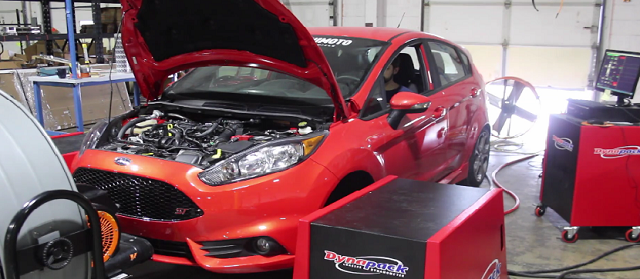
    We are nearing the completion of this project. Our engineering team is ready for dyno testing that will verify any power gains made with our larger-diameter intercooler piping. Exactly how much larger is the piping we designed?


    Fiesta ST charge pipe volume comparison hot side

    The Mishimoto hot-side design provided the greater increase in volume between the two, coming in at a 51% increase over the stock pipe.

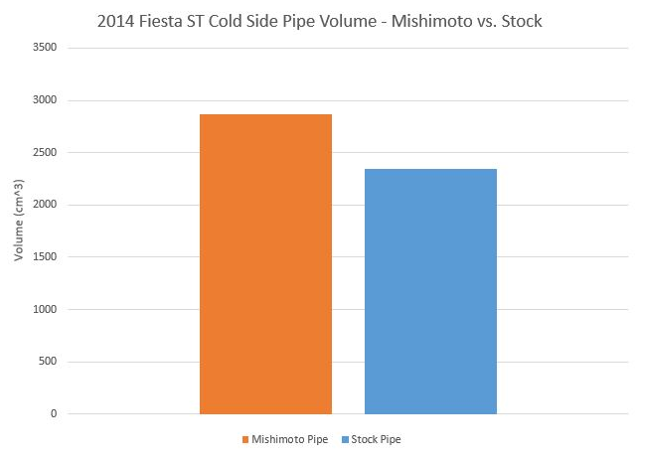
    Fiesta ST charge pipe volume comparison, cold side
    Fiesta ST charge pipe volume comparison, cold side

    We did not have quite as much room to grow on the cold-side, but we still managed an increase of 22% in internal volume over the stock pipe.

    Along with the volume increase, our piping features smooth mandrel bends with minimal interruptions caused by additional connection points or changes in inner pipe diameter.

    Testing

    Power output data is frequently used for evaluation of a piping upgrade. We will be running tests with each pipe individually and then a final set of runs with both the cold-side and hot-side pipes installed.

    To provide

    Continue Reading »
  3. Pipe Down! Mishimoto Fiesta ST Charge Pipe R&D, Part 4: Prototype Test Fit

    Pipe Down! Mishimoto Fiesta ST Charge Pipe R&D, Part 4: Prototype Test Fit

    A few weeks ago we completed our first set of prototype pipes. After a quick evaluation by our team, it was time for a vehicle test fit. Last week we set our Fiesta ST (FIST) up on a lift and began swapping the stock piping for our components.

    First, the hot-side pipe was bolted into place.

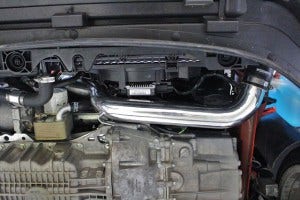
    Mishimoto Fiesta ST performance parts installed
    Mishimoto Fiesta ST performance parts installed

    The hot-side pipe slid into place perfectly. Our mounting bracket lined up, and the hardware properly secured the pipe into place.

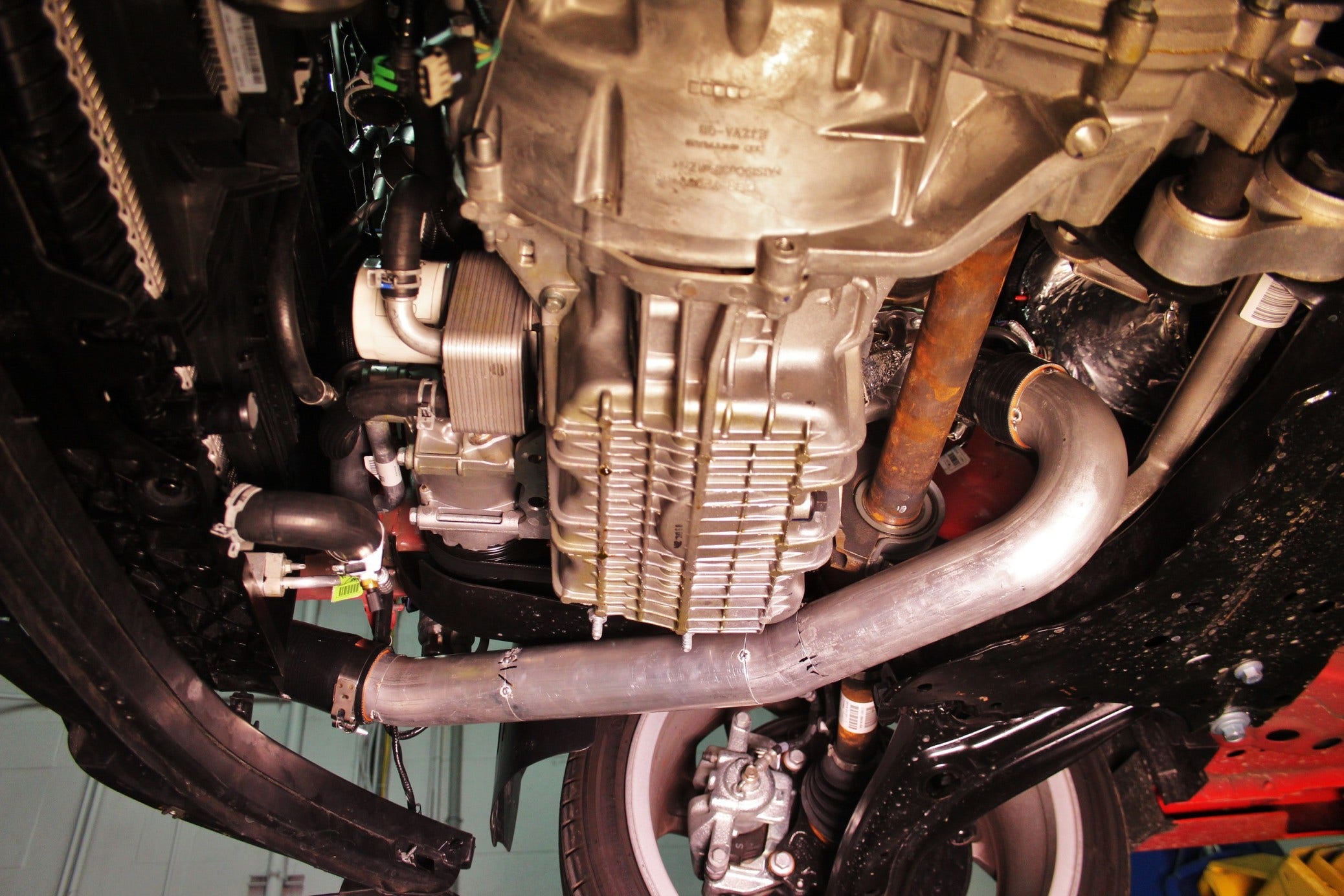
    The cold-side pipe was a bit more challenging to install, but soon we had it in place as well.

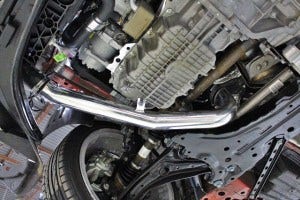
    Mishimoto Fiesta ST performance parts installed
    Mishimoto Fiesta ST performance parts installed

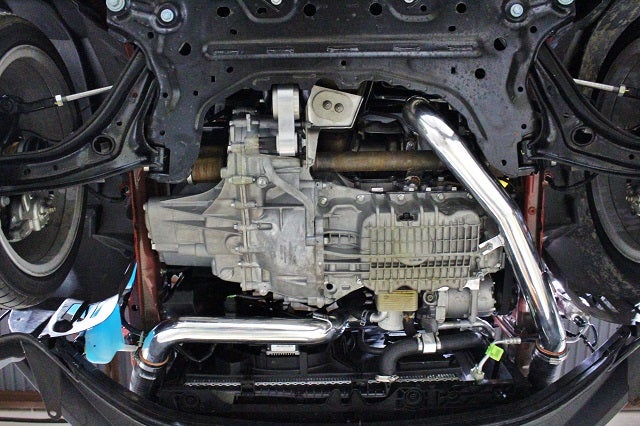
    Mishimoto Fiesta ST charge pipe installed
    Mishimoto Fiesta ST charge pipe installed

    As with the hot side, all components lined up and connected properly. Both our quick-connect vacuum line and the symposer port were properly situated for an easy install. We will need to make one adjustment to this pipe, however; the mounting bracket you see in the images above will be eliminated. We found that the connection points provided ample

    Continue Reading »
  4. Pipe Down! Mishimoto Fiesta ST Charge Pipe R&D, Part 3: First Prototype Evaluation

    Pipe Down! Mishimoto Fiesta ST Charge Pipe R&D, Part 3: First Prototype Evaluation

    Good news! Our first prototype intercooler pipe kit is complete. We can now evaluate both fitment and functionality on our Fiesta. Let's take a look at each pipe we created.

    Prototype Cold-Side

    First we have the more complex pipe of the pair, the cold-side.

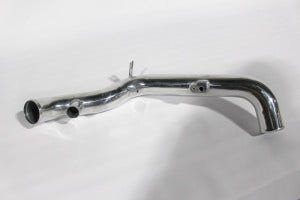
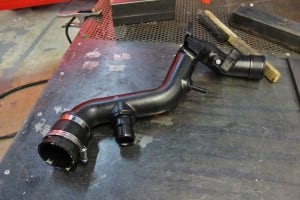
    Fiesta ST charge pipe prototype
    Fiesta ST charge pipe prototype

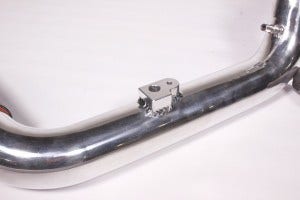
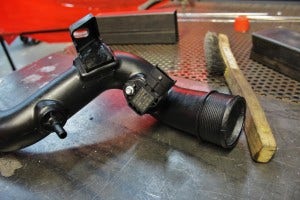
    Complexity comes in the way of multiple bends combined with numerous pipe-mounted features. To the right side of the pipe, you can see the flat flange that serves as a mounting point for the factory pressure sensor. This flange is CNC-machined to provide a proper seal.

    Fiesta ST charge pipe prototype
    Fiesta ST charge pipe prototype

    Just down the pipe from this flange you can see a mounting bracket and a nipple. The bracket is a component that may be eliminated from our design. We are evaluating the rigidity of the design with and without the additional bracket to determine if it is needed. The nipple attaches to a quick disconnect vacuum line running throughout the engine bay. Here is another look at the pipe.

    Fiesta ST charge pipe prototype
    Fiesta ST charge pipe prototype
    Continue Reading »
  5. Pipe Down. Mishimoto Fiesta ST Charge Pipe R&D, Part 2: Cold-Side Prototype Fabrication

    Pipe Down. Mishimoto Fiesta ST Charge Pipe R&D, Part 2: Cold-Side Prototype Fabrication

    Stock Cold-Side Features

    We had it pretty easy during the design phase of our hot-side intercooler pipe. A simple design with relatively common features, not overly complicated. The cold-side is a different story.

    Stock Fiesta ST charge pipe
    Stock Fiesta ST charge pipe

    As you can see, this pipe features a few complex pieces and also follows an unusual path. On the right side at the top of this image, you can see the end of the pipe that mates to the intercooler coupler and hose. This portion of the pipe also houses a pressure sensor, a mounting bracket, and a vacuum-line port.

    Stock Fiesta ST charge pipe
    Stock Fiesta ST charge pipe

    Each of these features will be replicated in our design, and in addition we will be increasing the piping size to 2.5" throughout. The stock piping features ends with 2.5" diameters; however, most of the inner portion of the pipe measures around 2" in diameter. The stock throttle-body diameter measures in at 2.25", so we will be using a reducing coupler at this connection point.

    The other end of the pipe features

    Continue Reading »
  6. Pipe Down! Mishimoto Fiesta ST Charge Pipe R&D, Part 1: Factory Hot Side and Fabrication

    Pipe Down! Mishimoto Fiesta ST Charge Pipe R&D, Part 1: Factory Hot Side and Fabrication

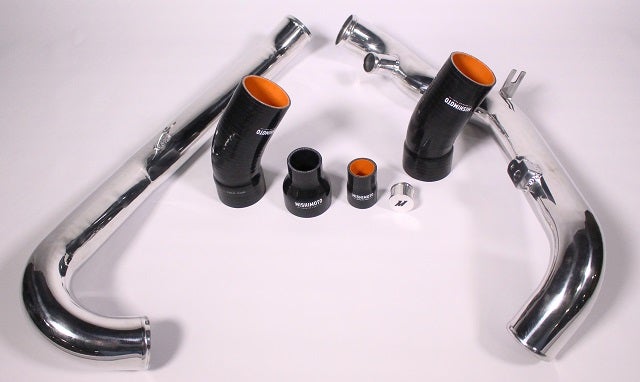
    We have plans for an absolutely awesome intercooler for the Fiesta ST, so it only makes sense to pair it with an equally robust intercooler pipe setup. The stock piping is adequate at best but certainly deserves some attention, because we need to obtain as much airflow as possible from the Fiesta ST. This first portion of R&D will cover the fabrication of our hot-side pipe.

    Stock Hot-Side

    Before jumping into fabrication, let's first check out the stock hot-side piping assembly!

    Stock Fiesta ST hot-side charge pipe
    Stock Fiesta ST hot-side charge pipe

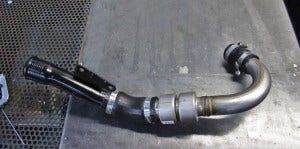
    What an interesting piece! The coupler on the end of the pipe mates with the turbocharger compressor outlet, which then runs into metal piping 1.5" in diameter. Air passes through the strange looking chamber that functions as a resonator. Another coupler attaches the pipe to a metal tube 1.75" in diameter, and includes a mounting bracket that attaches it to oil pan studs. Once past the metal hose, a rubber coupler finishes the route to the hot side of the intercooler.

    Stock Fiesta ST hot-side charge pipe hose
    Stock Fiesta
    Continue Reading »
  7. Drop Intake Temperatures. Drop Track Times. Drop Jaws. The Ultimate Guide For Intercooler Selection!

    Drop Intake Temperatures. Drop Track Times. Drop Jaws. The Ultimate Guide For Intercooler Selection!

    What intercooler should I get? Is this a good intercooler? What horsepower gains will I see with this intercooler? Is a universal intercooler right for me? We all see these questions on Internet message boards, and we even hear them in friendly discussions with fellow car folk. Instead of responding with a face palm, we need your help to educate the masses on how an intercooler works. Knowing what makes a great intercooler great is powerful knowledge that can help you select the best cooler for your project.

    The goal of this article is to explain intercooler systems, designs, features, and testing procedures, so that you can more easily select the intercooler that meets your needs. Don’t be that guy with a massive front-mount intercooler on a completely bone-stock vehicle complaining about boost lag. Check out the guide below to educate yourself, your friends, relatives, maybe even that guy at work claiming his three-fifty will blow the doors off your measly 4-banger. With our help here

    Continue Reading »