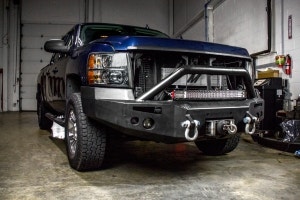
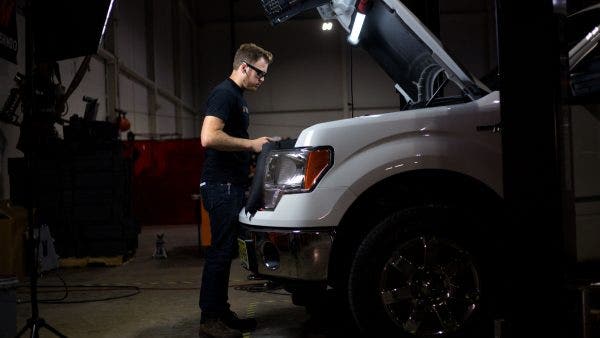
What does it take to make a great truck? For many, a great truck needs to be reliable, capable, and affordable. It's no coincidence that Ford has been using that recipe for one of the best-selling trucks in the world since 1975. The 2011-2014 F-150 is the epitome of what a great truck should be. But even great vehicles age, and with age a key ingredient in that recipe begins to decline: reliability.
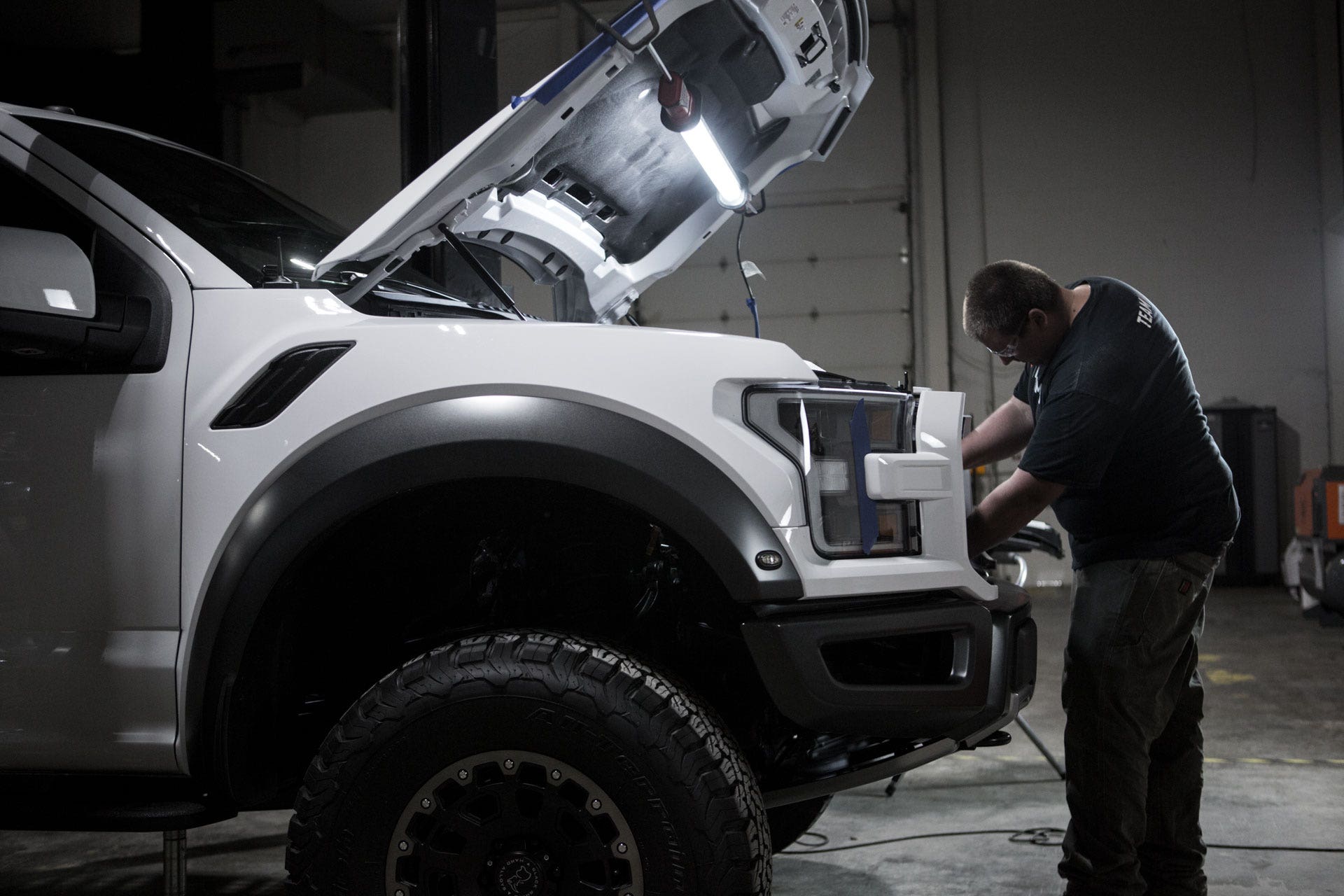
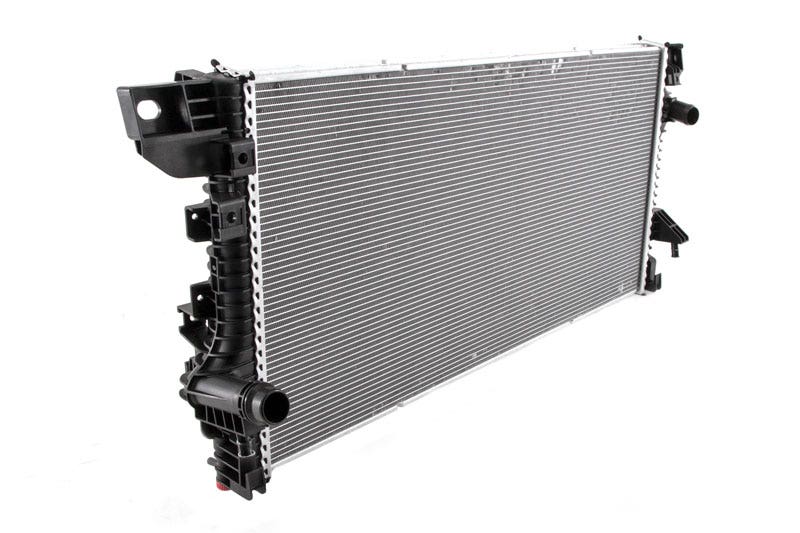
One of the first systems to show its age in any vehicle is often the cooling system, and the first component in the cooling system to fail is often the radiator. When your radiator fails, your F-150 is rendered useless, no matter how capable and affordable it once was. Luckily, Mishimoto is working on a radiator to keep your 2011-2014 F-150 and 2010-2014 Raptor as great as the day it rolled off the production line.
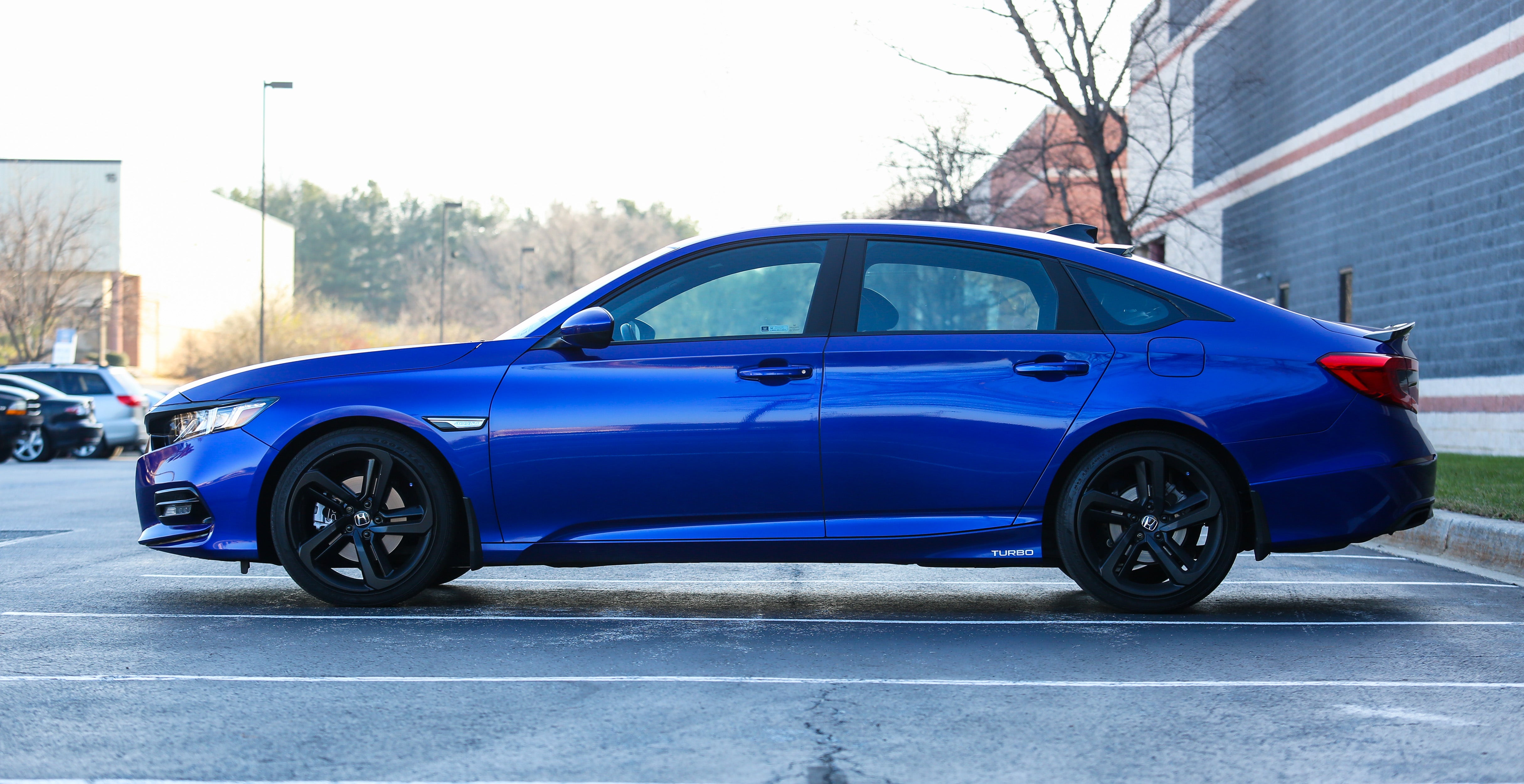
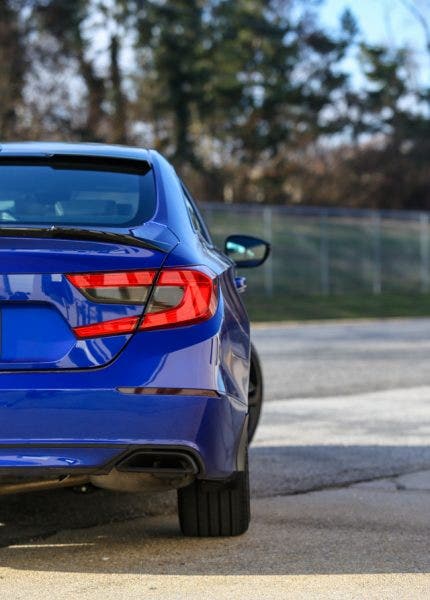
The more the 2.0T Accord visits our shop, the more it takes on a sort of sleeper agent persona. Under the skin of this mid-sized sedan's refined exterior lies hidden skills. It blends in. It's unsuspecting. Even this detuned version of the brash Civic Type R is enough to push you back against the seat, but we still want to stir up the Accord even more.
The James Bond films would have likely ended up being a lot less thrilling without the dramatic use of all those gadgets thanks to Q. Since our fresh new 2.0T intake kit's production sample just arrived, we'd like to assume the role of head gadgeteer in charge and take you on a tour of the updated system. In our last post, we were able to provide you with an in-depth preview of our intake kit design thanks to the magic of our 3D printers. This time, however, we can provide the real deal.
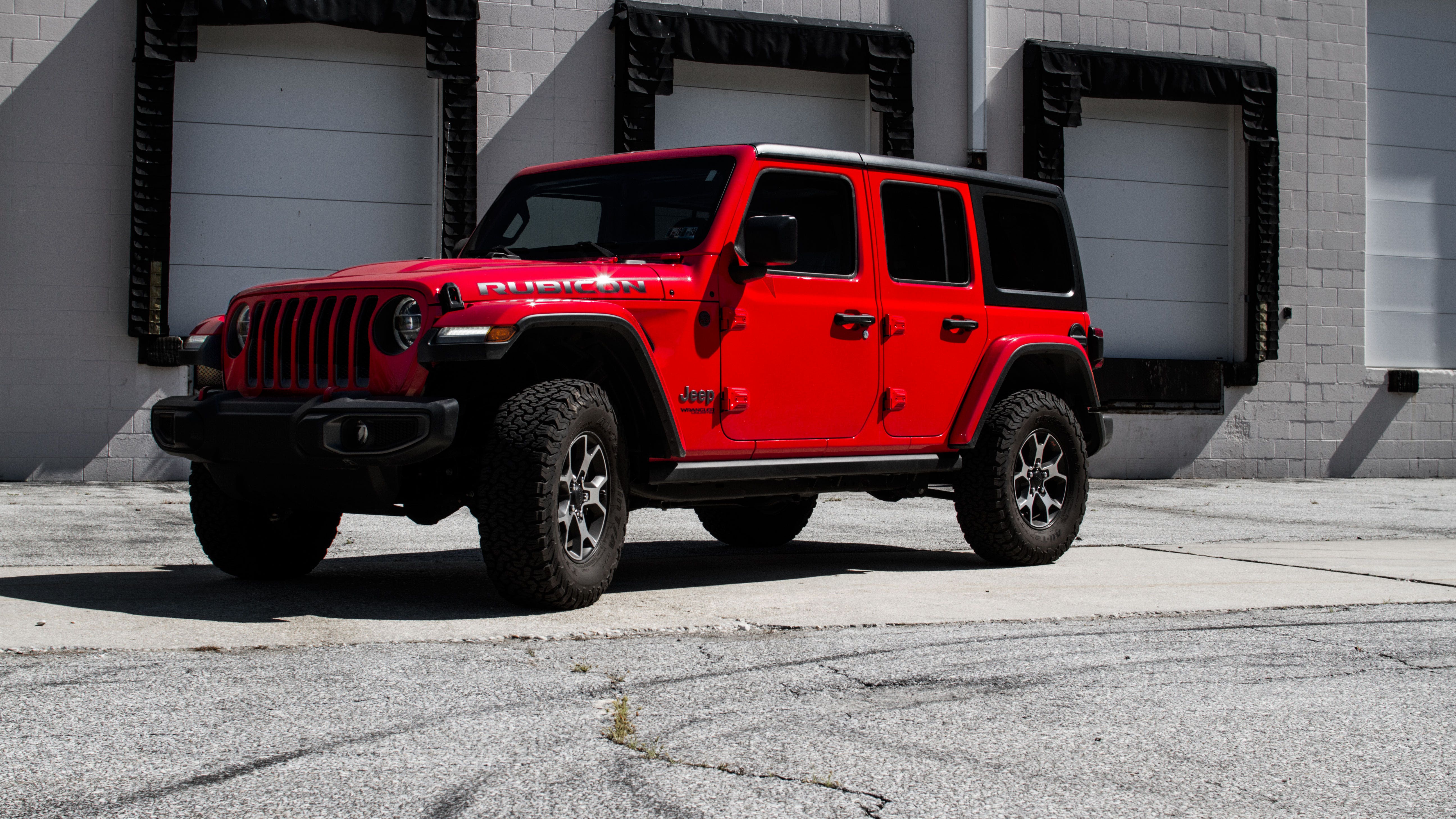
Imagine driving your brand-new 3.6L Jeep Wrangler JL up a steep, rocky grade. Your tires struggle to grip the rocks and loose soil, but you persevere, steadily making your way to the top. You look back to see the faces of your friends, hoping they'll be amazed and thinking the same thing you are, "Wow, this Jeep can take on anything!" But you can't see them, because they've been enveloped in a plume of blue-white smoke that's still billowing from your exhaust. Instead of impressing everyone and selling at least four JL Wranglers in the process, all you've manage to do is drive up a hill in a James Bond-esque smoke screen.
Before you start worrying about piston rings and head gaskets, you might want to investigate your CCV system. Blow-by accumulation can wreak havoc on your intake and upper engine (and the lungs of anybody spectating). Even a properly functioning CCV/PCV system can allow a large amount of blow-by to pass
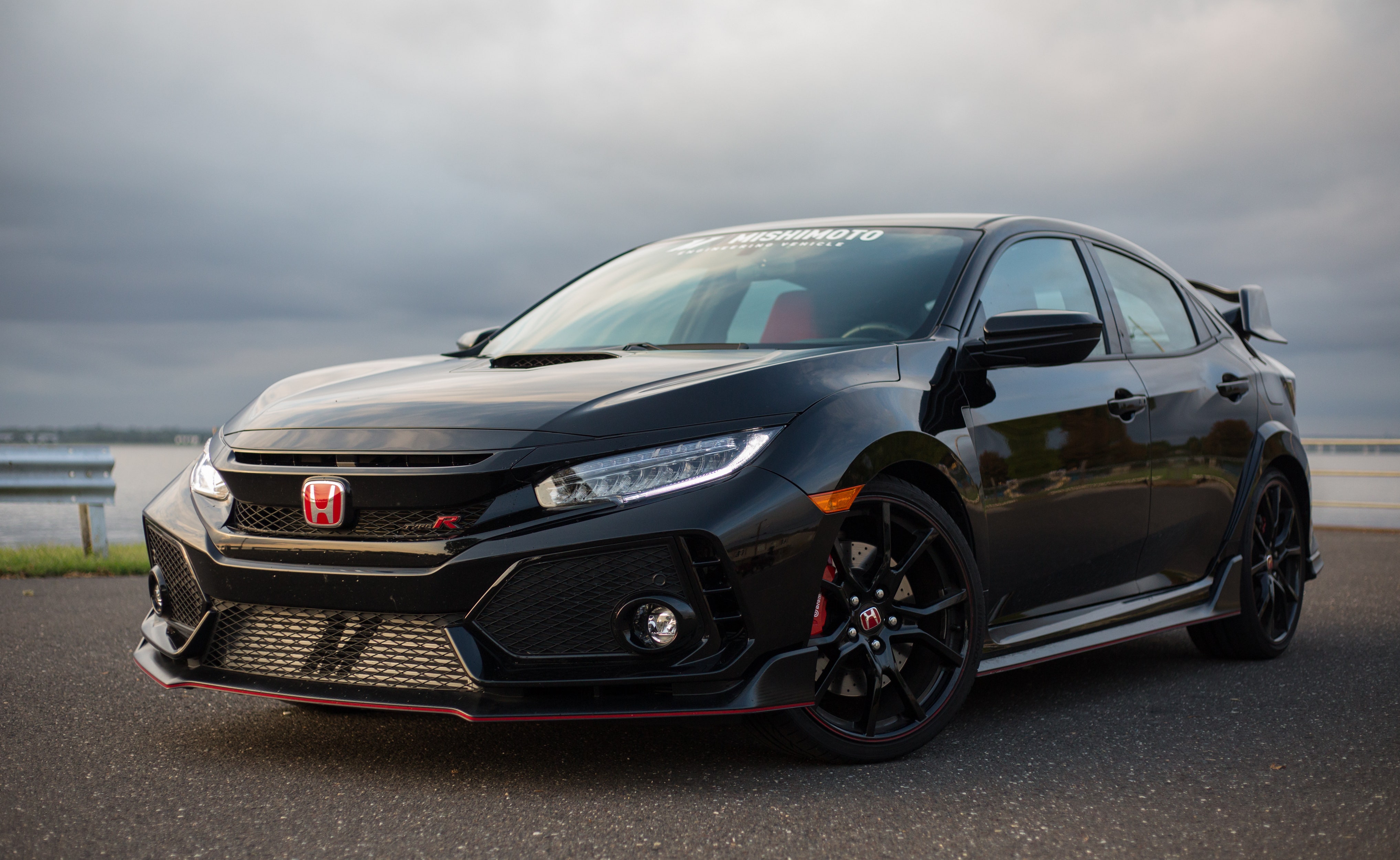
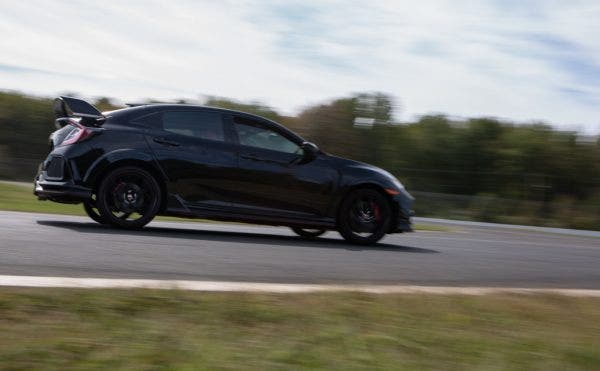
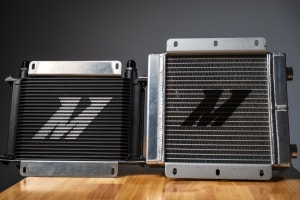
The FK8 was designed to be a road warrior. From the twisty mountain backroads to the most Ivy League of race tracks, Honda built this Civic to dominate the tarmac. Even with its inherent skill and teeming aggression, the Civic Type R still comes under fire from the heat it produces. There's nothing more frustrating than having to cut your track day or canyon run short when the car that Honda designed for just such driving gets pinned down from high temperatures. Looks like this Civic could use some backup, maybe something like a secondary race radiator.
"Why not just make a performance radiator?" is the question I'm sure many of you are currently asking. Radiators are, in fact, our area of expertise. The K20C1 is nestled close to the front end of the 10th generation Civic. Combine that with the front-mounted
Like the Roman hero Hercules, the 2015+ F-150 is capable of other-worldly feats. From the street to the jobsite, and even the dunes or the track, there's little that the F-150 can't conquer. With three available engines producing over 350 lb. ft. of torque, the 2015+ F-150 could probably stop the rotation of the earth. Even with all that power, many of the F-150's on the road will never see Moab or drag a 1,000 lb. log up a mountain. But that doesn't mean your F-150 shouldn't be your everyday Hercules.
Owning an F-150 should mean being confident that you can tackle any task life throws your way, but that confidence may be shaken if your stock cooling system has seen better days. Hercules is nothing without his strength, and if your F-150 is overheating, all the power in the world means little. That's why we here at Mishimoto are developing an all-aluminum radiator to keep your 2015+ F-150 going strong.
It's not out of the ordinary for auto manufacturers to share parts across their lineup. The practice of repurposing a component rather than producing something completely new and unique is a huge money saver. This is why we see the Chevy LS engine everywhere, and why the Accord is also sporting a turbo-flavored setup similar to the Civic. We already spent some time rerouting blow-by in the K20 powered Accord, very much aware that the 1.5T would share some of the drawbacks.
With the K20C4 replacing Honda's V6 Accord option, they still needed something to fill the gap between that and the mild Hybrid. Enter the L15B7. The 1.5T variant is powered by almost the same engine found in the Civic. Granted, there were a few adjustments needed. For instance, this 1.5T has less aggressive tuning and uses a different intake system. This means that
There's something about hitting the road, leaving the smog and haze of the city, and breathing in the crisp, fresh air of the wilderness that brings a person to life. The Jeep Wrangler JL, like all Wranglers before it, was built to take you there. To let you escape those everyday boundaries and breathe fresh air. And for the JL equipped with the new 2.0L turbo engine, breathing fresh air is more important than ever.
While you're taking a deep breath in and enjoying the view, your Wrangler's two-liter engine is using that same air to drive you both forward. It breathes air in through its intake, compresses it with the turbocharger and even more in the cylinder, ignites it with fuel and a spark, then breathes out through its exhaust. In this never-ending cycle, air is as vital to your Jeep as it is to your lungs. And it all starts with the intake system.
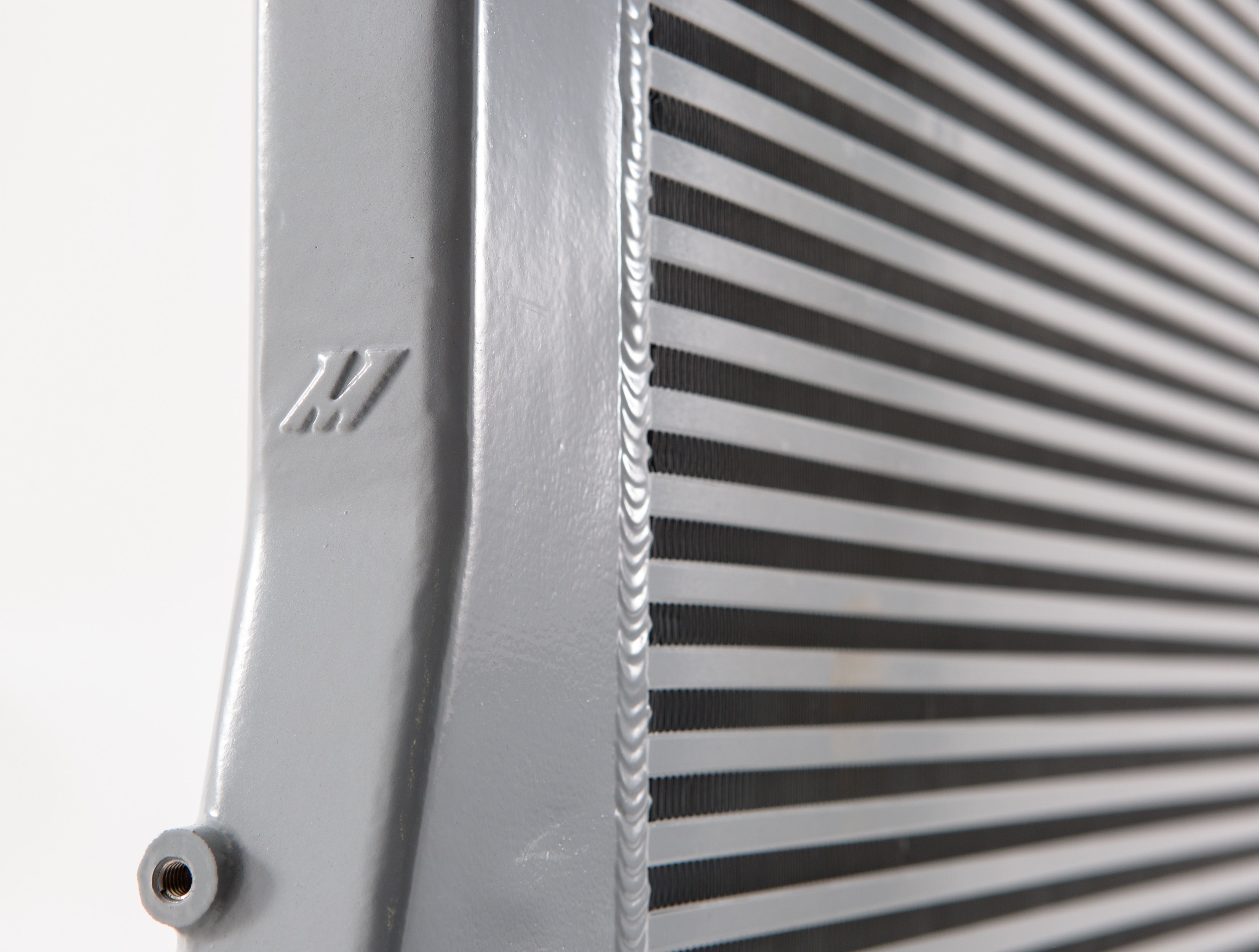
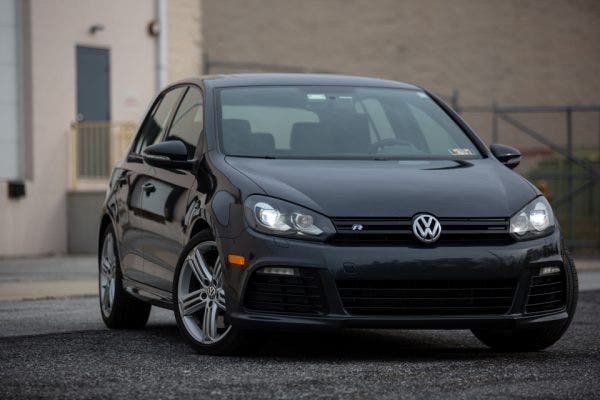
Big things come in small packages, so the saying goes. I would venture to guess that if you're reading this then you already know that is the general concept behind the GTI and Golf R. The turbo four-cylinder coupled with a stiff suspension guarantees a stellar smiles-per-mile rating. Given that the MK6 has become the figure head of the VW modification scene, plenty are wondering how to make this small hot-hatch seem even bigger. This just happens to be the thought process behind our new intercooler design.
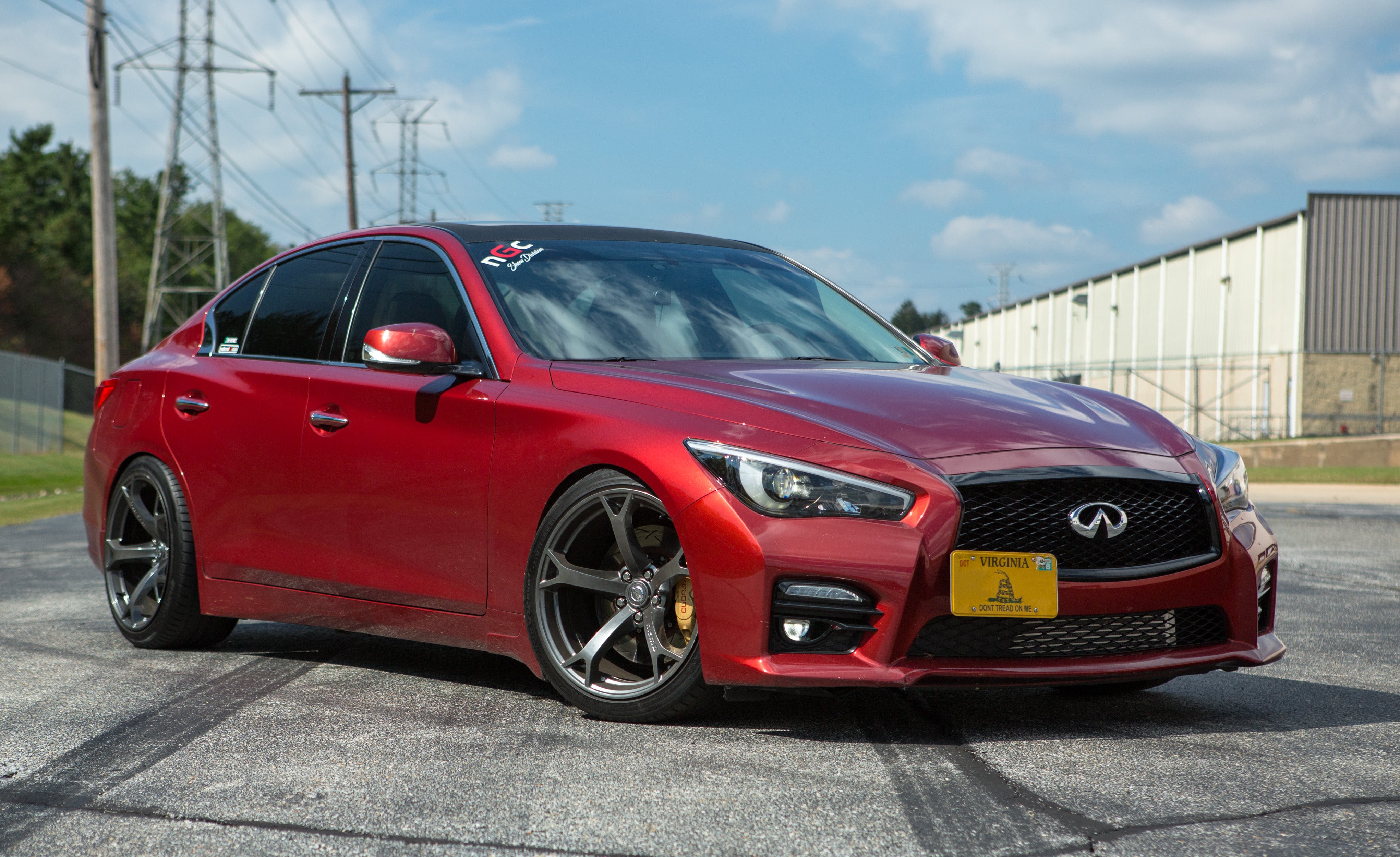
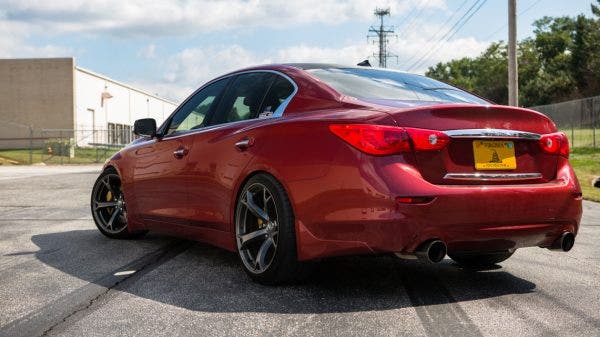
Traditionally in the automotive world, luxury is defined by vehicles that come out of Germany. They set the mark at least. Nissan, however, has challenged the status quo with their Infiniti lineup, most recently with their Q50 and Q60. Where the BMW, Mercedes, and Audi are covered in a thick layer of dusty heritage, Infiniti has introduced a breath of fresh air into the sport luxury segment.
In other markets, the Q50 carries the notorious Skyline nomenclature, and where it's not quite on the level of the GT-R, it can certainly hold its own.
Where Infiniti has been a player in the upscale market
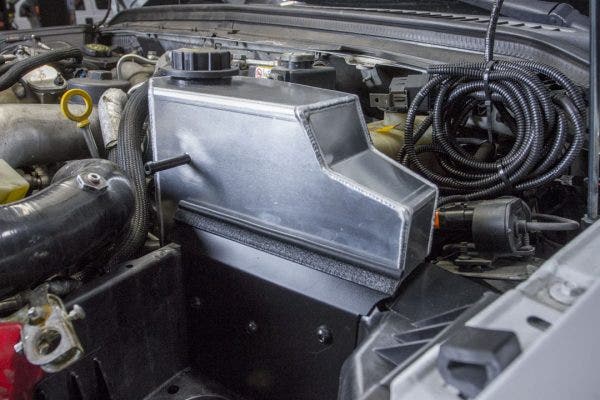
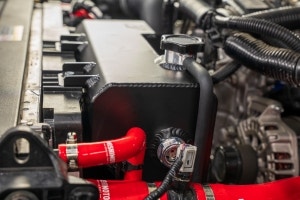
Our last 2008-2010 Ford 6.4L Powerstroke aluminum degas tank post ended on a high note. We had pushed through challenges, taking an overcomplicated, ungainly design and creating one of our most refined prototypes to date. With the help of Powerstroke forum members and our future customers we decided to trim down our design to include only the degas tank while reusing the stock battery tray. This strategy required cutting the stock degas tank off the battery tray, but our engineer thought about that and created a simple plate to cover up the cut line and make installing our tank a seamless affair.