gti

  1. Intercooler Sandwich - Performance Intercooler Kit Part 5 - Piping Production Sample and Testing

    Intercooler Sandwich - Performance Intercooler Kit Part 5 - Piping Production Sample and Testing

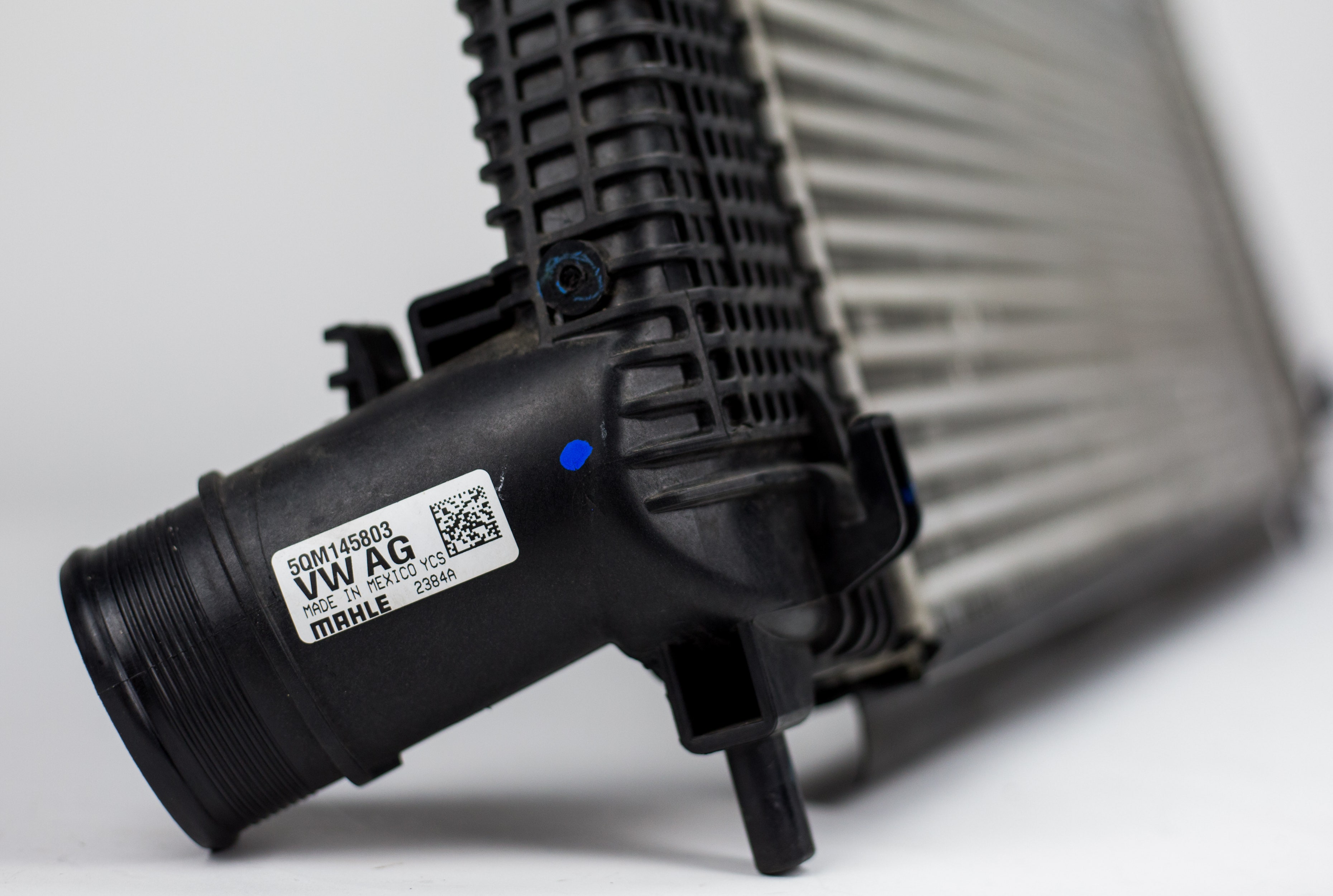
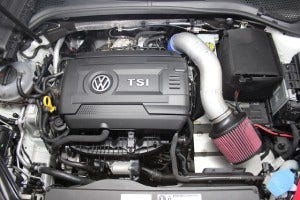
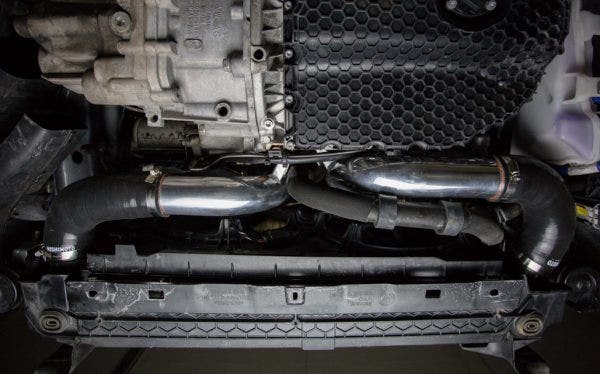
    When it comes to turbocharged cars, the flow of air through the system is just as important as keeping it cool. From the factory, the MK7s do get some extra attention in the performance category, especially when it comes to the GTI and Golf R, but they're never really pushed past what the VW engineers designed them for. Given the popularity of cranking up the boost on any turbo vehicle, especially the 2.0T found under the hood of most modern VWs and Audis, it's no wonder that the stock intercooler piping turns out to be a restriction.
    021618_NLT_MK7_ICP_WEB_2

    Before we dive straight into how our new piping design performs, let's take a look at what it is that makes them perform. As you might recall from our last post, we went into the basics of our intercooler piping overhaul. We planned to make them bigger, and from better materials. More specifically, we increased the overall size of our piping to the extent that our build envelope would allow. Our hot- and cold-side piping now have a 2.75" diameter, equating
    Continue Reading »
  2. Intercooler Sandwich - 2015+ VW MK7 GTI/Golf R, Audi A/S3 Intercooler R&D Part 4 - Piping Design Plans

    Intercooler Sandwich - 2015+ VW MK7 GTI/Golf R, Audi A/S3 Intercooler R&D Part 4 - Piping Design Plans

    Big things in small packages have long since been the idea behind the hot-hatch. Smaller, punchy engines in small bodies creating big smiles in the corners is the name of the game, and the GTI wrote the rule book. Now, 44 years later, the seventh iteration is the ideal platform for any enthusiast of fast and practical.

    031118_NLT_MK7_GEN_WEB_1

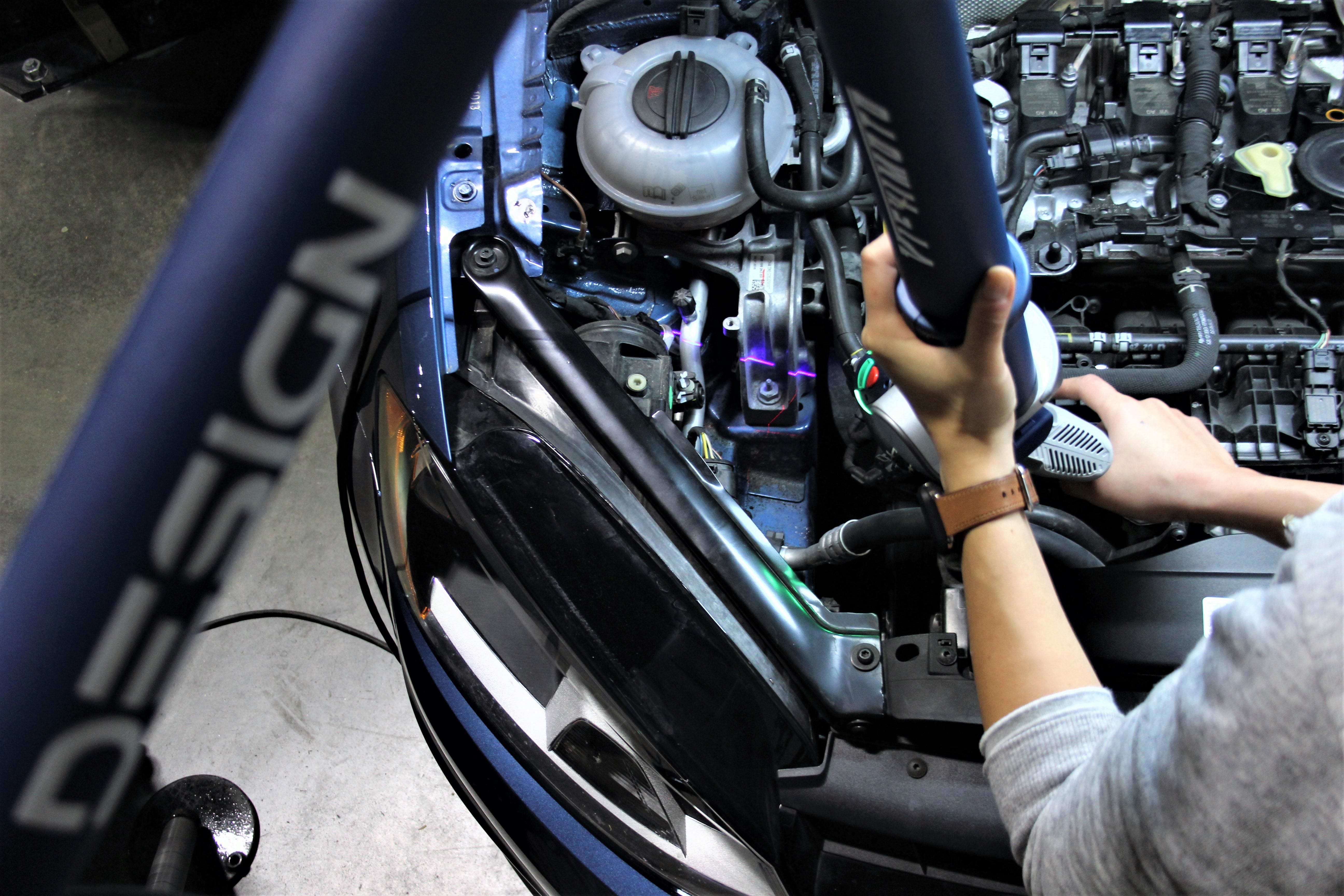
    For those looking to enhance the sporty Golf even further, you might have already taken notice that we're already on the case by way of cooling the charged air running through your 2.0T. A beefier intercooler is a start, but unfortunately that air doesn't transfer into our intake manifold via osmosis. Naturally, ducting is still required.

    When it comes to designing a new intercooler for any vehicle, it's all about finding the right balance between core volume and flow. Knowing this, our engineer made some adjustments to our intercooler's inlet and outlet sizes to maximize flow for stock and remapped tunes, while maintaining the right diameter for the MK7's stock piping. However,

    Continue Reading »
  3. Intercooler Sandwich - 2015+ VW MK7 GTI/Golf R, Audi A/S3 Intercooler R&D Part 3 - Design Plans

    Intercooler Sandwich - 2015+ VW MK7 GTI/Golf R, Audi A/S3 Intercooler R&D Part 3 - Design Plans

    Bigger is better has long since been an unofficial mantra of the automotive world. To go faster or further, you have to go bigger. Either by way of more cylinders, bigger turbos, thicker sway bars, the increase in size helps quench the thirst for speed. The Golf GTI and all its subsequent variants have been showing us since 1974 that sometimes smaller can be just as good, and plenty of speed and practicality can come in a condensed package. The same can be said for our intercooler design for the latest generation of VW's compact chassis. It's not the size that matters, but rather the innovation packed inside.

    031118_NLT_MK7_GEN_WEB_5

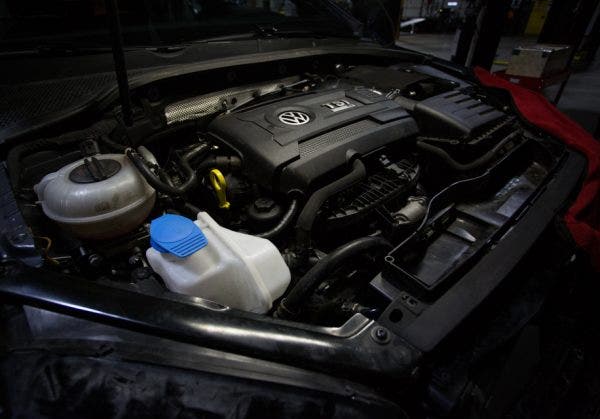
    Limited space in the engine bay is always a challenge when it comes to designing new products, but in the case of the MK7, it was a major obstacle.
    Limited space in the engine bay is always a challenge when it comes to designing new products, but in the case of the MK7, it was a major obstacle.

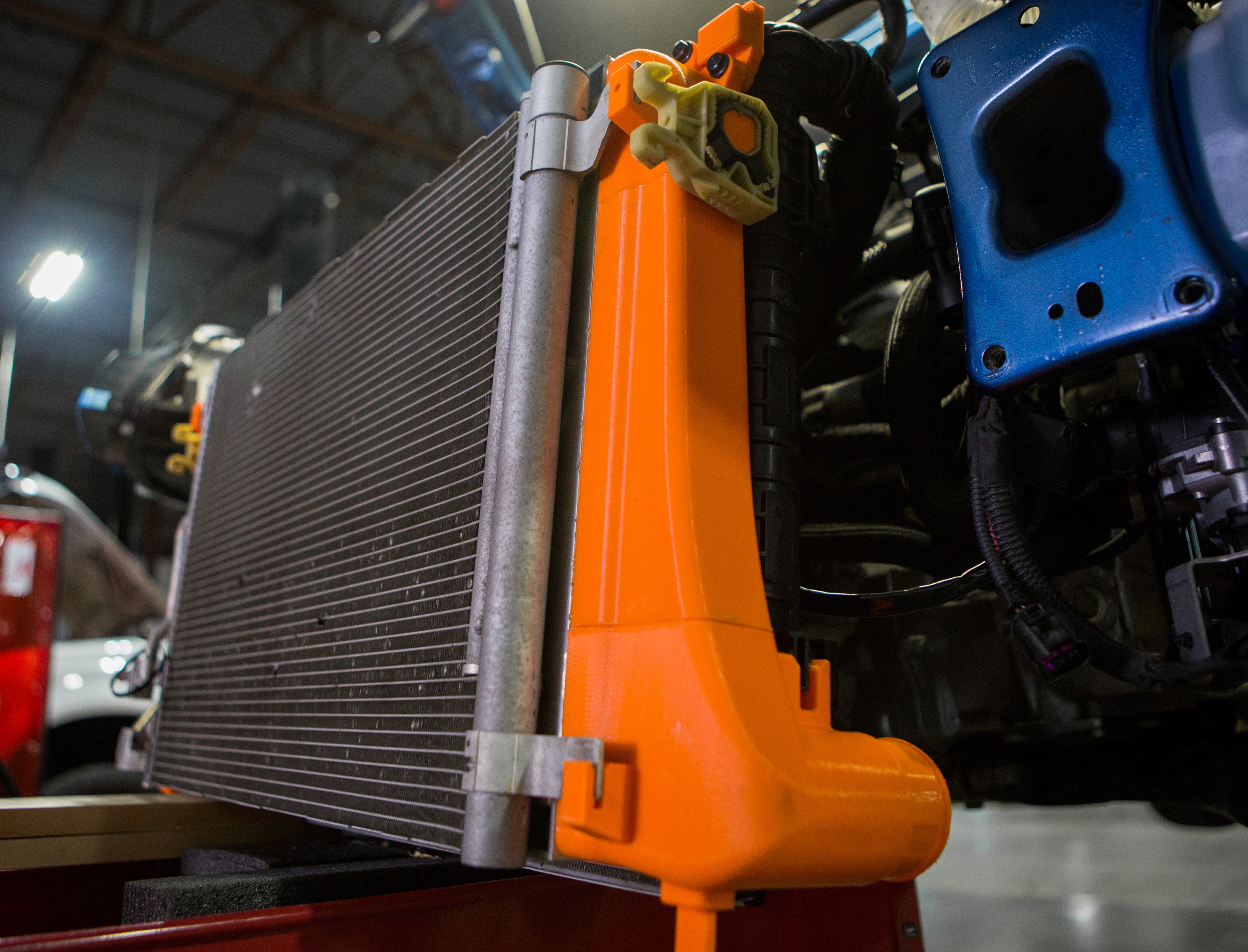
    With the MK7 especially, available space is the first major hurdle to overcome. If you revisit the stock review of the MK7's intercooler, you'll see that the intercooler is the meat in a heat exchanger sandwich, all mounted on the front

    Continue Reading »
  4. Intercooler Sandwich - 2015+ VW MK7 GTI/Golf R, Audi A/S3 Intercooler R&D Part 2 - Piping Stock Review

    Intercooler Sandwich - 2015+ VW MK7 GTI/Golf R, Audi A/S3 Intercooler R&D Part 2 - Piping Stock Review

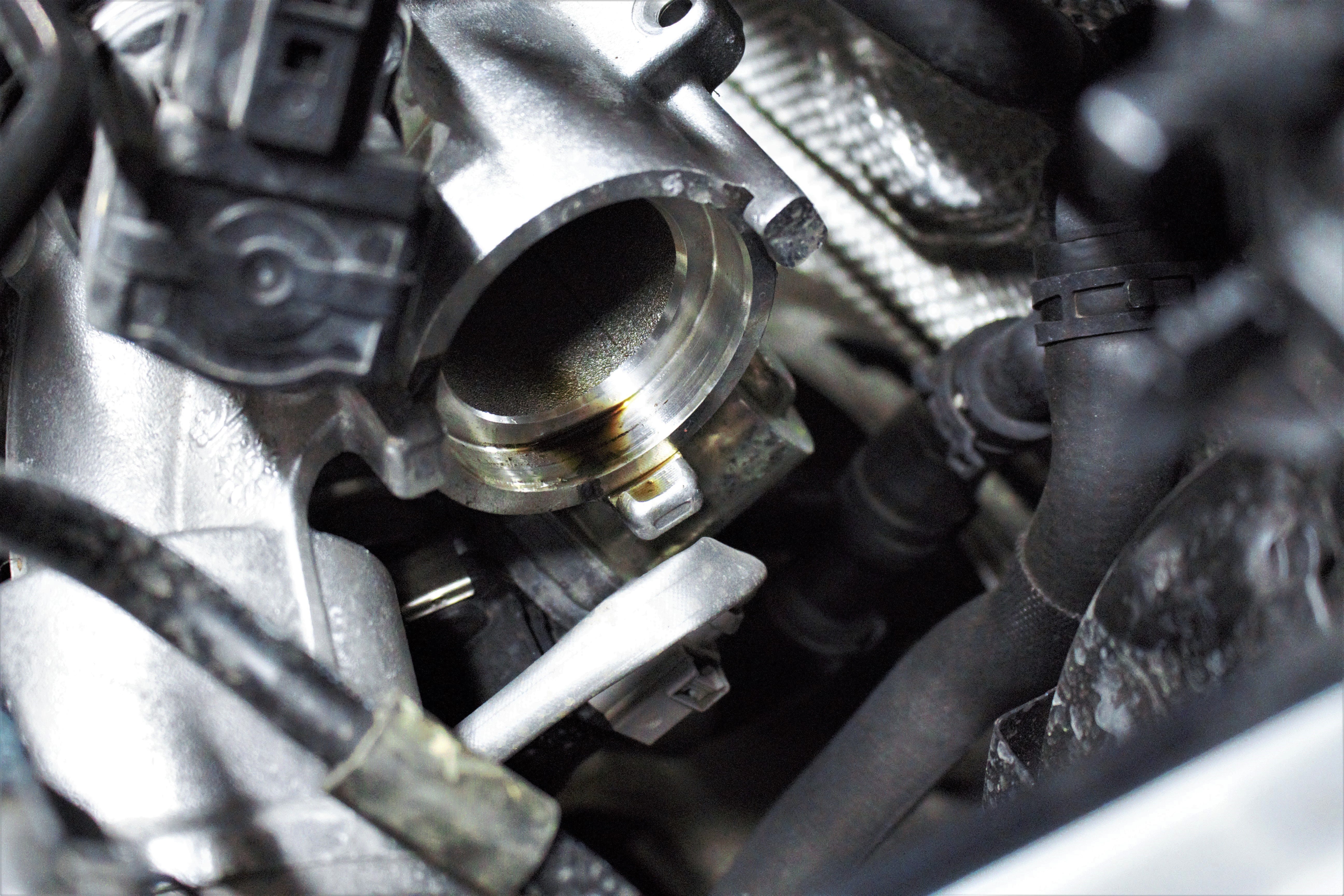
    When we're talking about cooling the charged air in any forced induction vehicle, the intercooler always steals the show. To be fair, it is doing a majority of the work. No matter if you're still running a stock unit or if there's an all-aluminum core seated in the front of your car, it's the star. However, the intercooler would be nothing without the back-up band, the intercooler piping. Putting in all the effort to cool off the charged air would be useless without a method to transfer it to the intake. If the stock intercooler unit had some shortcomings, the piping was bound to end up with some flaws, too.

    021518_NLT_MK7_GLFR_WEB_7

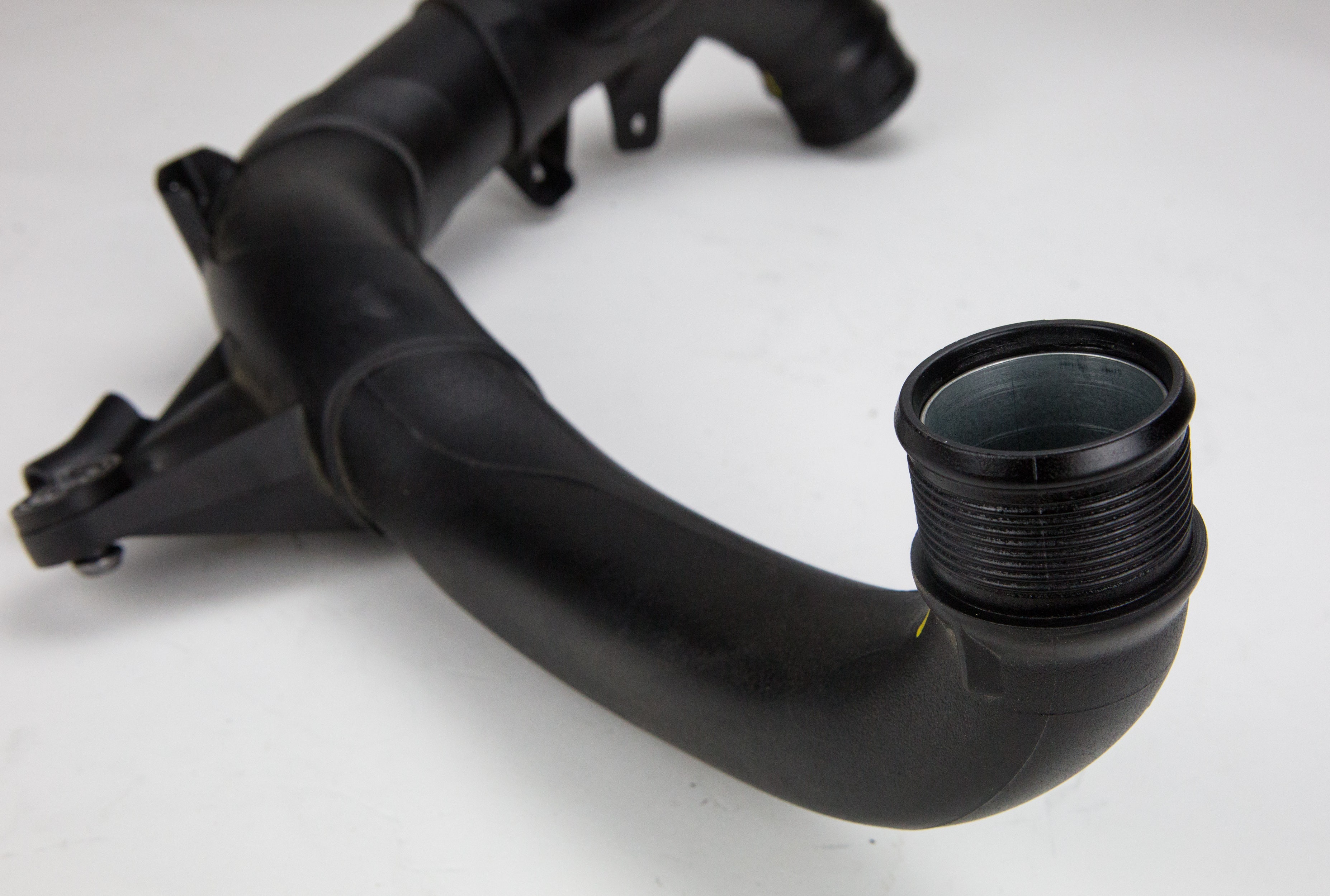
    The safe passage for your charged air is currently left up to the combination of plastic and rubber construction that makes up the factory piping. It might seem that we're prejudice against these building materials, but it's quite the opposite. These materials are great for the mass production of your Golf or GTI, providing an easily produced, lightweight channel for the charged air

    Continue Reading »
  5. Intercooler Sandwich - 2015+ VW MK7 GTI/Golf R, Audi A/S3 Intercooler R&D Part 1 - Stock Review

    Intercooler Sandwich - 2015+ VW MK7 GTI/Golf R, Audi A/S3 Intercooler R&D Part 1 - Stock Review

    The Golf GTI has been one of the most revered hot hatchbacks since its inception in the mid-1970s. While it was immediately a hit in Europe, and especially the UK, we didn't get the chance to experience Volkswagen's ingenious combination of efficiency and speed until the early 80's with the "Rabbit" GTI. The MK1's screaming 98 horsepower engine boasting Bosch's latest fuel injection technology, combined with crisp and responsive suspension, was enough to draw in a huge following. With that following came an explosion in aftermarket parts for these vehicles, from wheels to lowering kits, and just about any other trick to squeeze every drop of performance from the naturally aspirated motors equipped through the next two generations.

    Photo courtesy of Will Horn
    Photo courtesy of Will Horn

    In 1997, VW upped the game. Before then, forced induction in a GTI was a serious undertaking, and something that had to be installed in your own garage or at the cost of a speed-shop technician. However, with the MK4 came the 1.8t.

    Continue Reading »
  6. We Struck Oil - Catch Can R&D, Part 2: The Mock-Up

    We Struck Oil - Catch Can R&D, Part 2: The Mock-Up

    Are you a nerd for up-and-coming tech? I am. Technology is awesome. Let's just start there. It's wild to think that we are approaching the 10-year anniversary of the iPhone's first introduction (June 29, 2007, per the all-knowing Wikipedia). As we enter 2017, autonomous vehicles are gaining mainstream traction, rockets can (sort of) land themselves intact, human head transplants will become a thing,  and we can now "like" Instagram comments. What a time to be alive! Mishimoto is fully embracing the exponential upward curve of this tech advancement.

    Our direct-fit catch can kits are quickly becoming some of the best on the market, so I must say, we are getting good at this. It's all due to our incredibly talented engineering team, state-of-the-art tools and tech, and our non-stop drive to bring you the best products for your ride. The story is no different here with our MK7 GTI catch can project. We are making great progress, so I figured I'd let you guys in on the status since these

    Continue Reading »
  7. We Struck Oil - Catch Can R&D, Part 1: Stock System Review

    We Struck Oil - Catch Can R&D, Part 1: Stock System Review

    Oil catch cans are a hotly debated topic, yet one fact is still irrefutable; oil blow-by will always be a real byproduct of the modern direct-injection engine. Intakes, charge pipes, and turbos all come into contact with the stuff over time. Sometimes, even newer, low mileage vehicles develop blow-by issues. With direct injection, fuel is injected directly into the cylinders, eventually resulting in carbon buildup on the valves. This was not an issue with port injection, since fuel injectors were placed in the intake manifold. The air-fuel mixture is sprayed directly on the valves, essentially cleaning them each time an injector fired.

    Carbon and oil buildup in direct-injection engines can negatively impact vital engine components and can result in an expensive fix later down the road. I can go into long, excruciatingly deep detail about the dangers of blow-by, but I've given you the basics of what you should know. For more information, I strongly suggest that you take a look at our technical

    Continue Reading »
  8. The Final Product - MK7 GTI Induction, Part 4

    The Final Product - MK7 GTI Induction, Part 4

    Great news from the Mishimoto garage! We have tested and fitted the final iteration of our airbox design for this prototype MK7 intake. We made some minor adjustments for fitment and ease of installation, but more on that later. This has been an interesting project from the start because of the uniqueness of this box design - check it out!

    Final Intake System

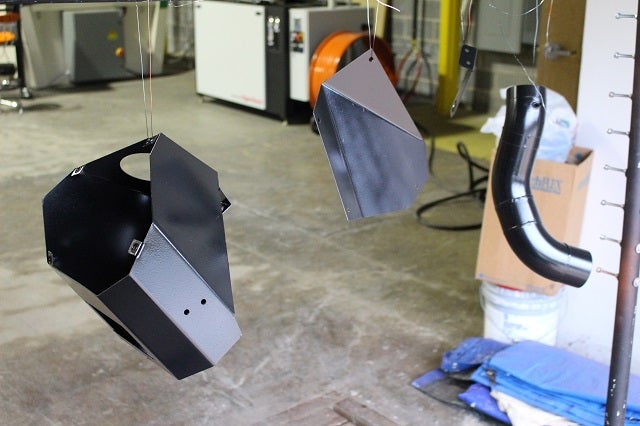
    Once this prototype system was ready to go, we prepared it for final fitting into the MK7. The next step is paint! The final products will be powder coated, with the intake pipe color options ranging from wrinkle black/red powdercoat or chrome polish. So the painted parts below are just for visualization purposes.

    IMG_0969r
    Prototype MK7 parts drying from paint

    IMG_0989r
    MK7 GTI intake airbox

    IMG_0990r
    MK7 GTI intake airbox

    As seen above, this version of the box has the SAI (secondary air injection) attachment. Also, compared to the previous version you've seen, the airbox lid is slightly different. There are now two bends instead of one on the lid, which drops

    Continue Reading »
  9. Dyno Testing Results - MK7 GTI Induction, Part 3

    Dyno Testing Results - MK7 GTI Induction, Part 3

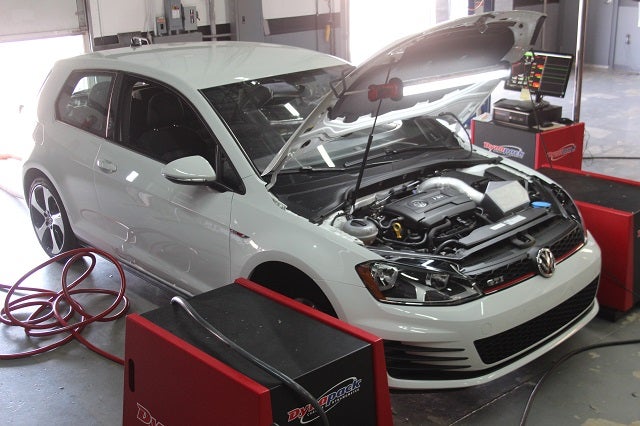
    The time has come to test our prototype design for the MK7 intake. After weeks of designing and fabrication, the prototype for this VW is now ready to hit our Dynapack dynamometer so we can collect some data.

    Testing these prototype MK7 GTI parts for overall power output gains over stock is important, so that's the first thing we needed to figure out. The larger diameter piping compared to the stock system provides increased airflow that will have a direct impact on improving power output. This car did happen to come with an aftermarket stage 1 tune on it, so we tested our intake with that software upgrade.

    IMG_7192r
    Hooked up on the dyno for prototype MK7 GTI parts testing

    We also wanted to provide sound clips of the car with the intake on so you can hear the difference.

    Below, we have some footage of the MK7 running on the Dynapack, so check it out!

    Our first impression was that this MK7 GTI intake is a big improvement, especially with regard to sound. You can hear the turbo spooling up and the

    Continue Reading »
  10. Box and Pipe Fabrication - MK7 GTI Induction, Part 2

    Box and Pipe Fabrication - MK7 GTI Induction, Part 2

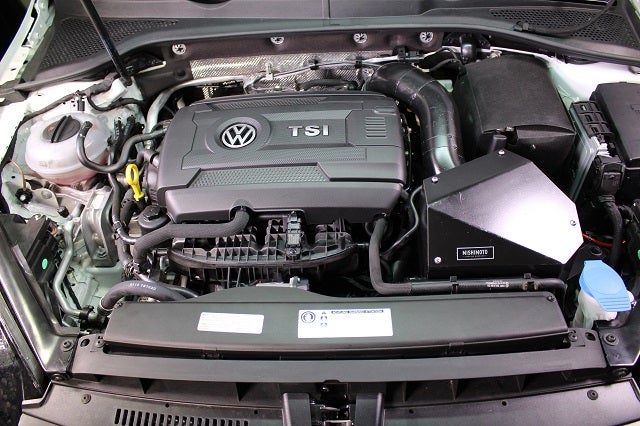
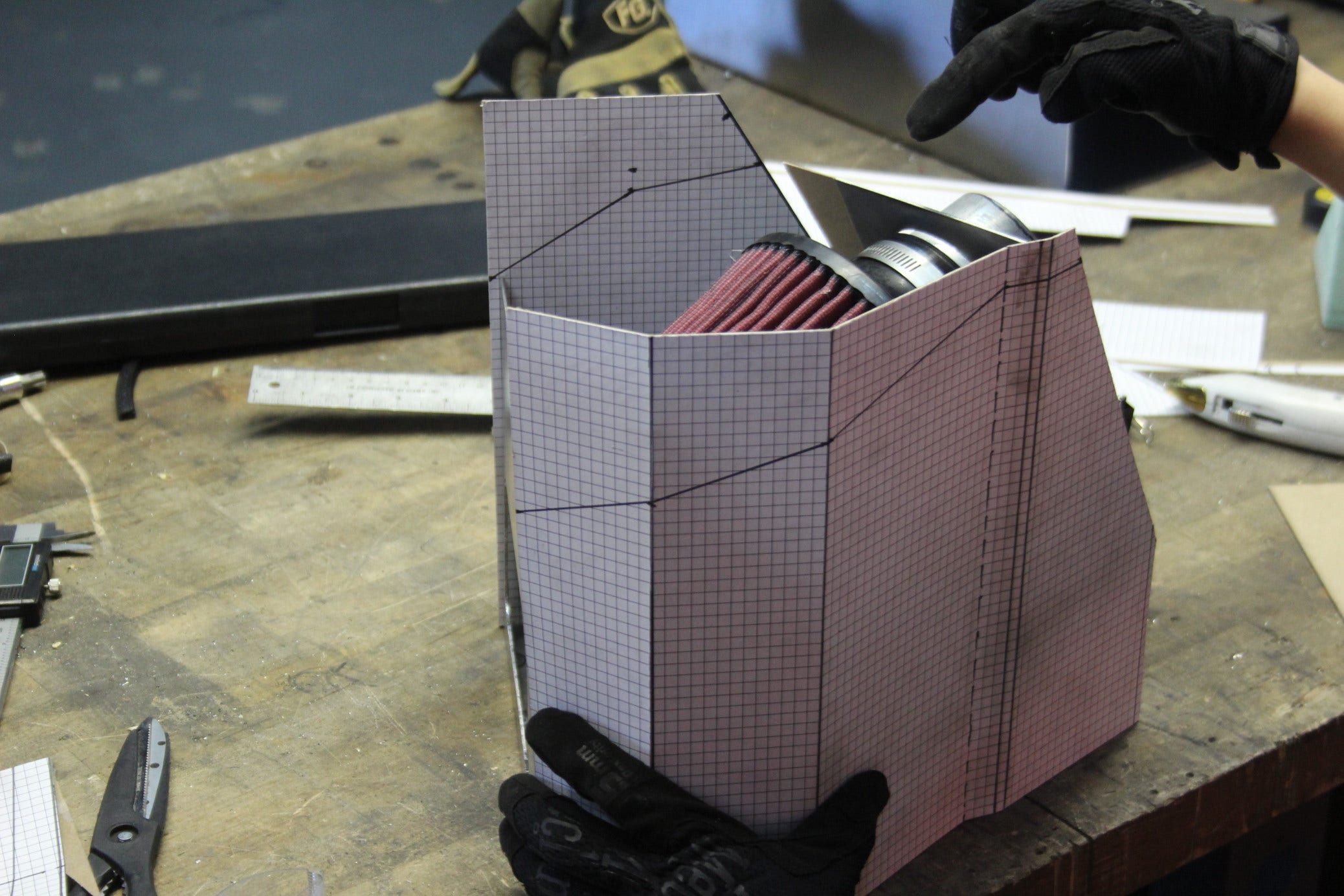
    The prototype for our MK7 GTI intake system will be unique. While designing the airbox, we needed to accommodate the factory mounting points, the battery cable routing, proper filter placement inside the box, and the stock fresh-air inlet scoop. Let's take a look at the gradual progression to a fully functioning prototype!

    We gathered some piping in our garage and tack-welded together an intake tube route. We then sorted through our air filters to locate an appropriate air filter that would fit within the constraints of the airbox we had in mind. The filter will be placed right next to the fresh-air inlet, optimizing the amount of fresh air that will pass through the pipe.

    The Piping

    IMG_6991r
    MK7 GTI intake prototype

    IMG_6928r
    MK7 GTI intake prototype

    It's pretty liberating when we don't need to work around designing for a MAF, it gives us more freedom with choosing a tubing size. We plan on using 3" piping from the filter to the turbo to maximize the amount of airflow. The turbo inlet has a diameter of 2.5",

    Continue Reading »