


Volkswagen GTI Catch Can 2015+

  1. We Struck Oil - Catch Can R&D, Part 2: The Mock-Up

    We Struck Oil - Catch Can R&D, Part 2: The Mock-Up

    Are you a nerd for up-and-coming tech? I am. Technology is awesome. Let's just start there. It's wild to think that we are approaching the 10-year anniversary of the iPhone's first introduction (June 29, 2007, per the all-knowing Wikipedia). As we enter 2017, autonomous vehicles are gaining mainstream traction, rockets can (sort of) land themselves intact, human head transplants will become a thing,  and we can now "like" Instagram comments. What a time to be alive! Mishimoto is fully embracing the exponential upward curve of this tech advancement.
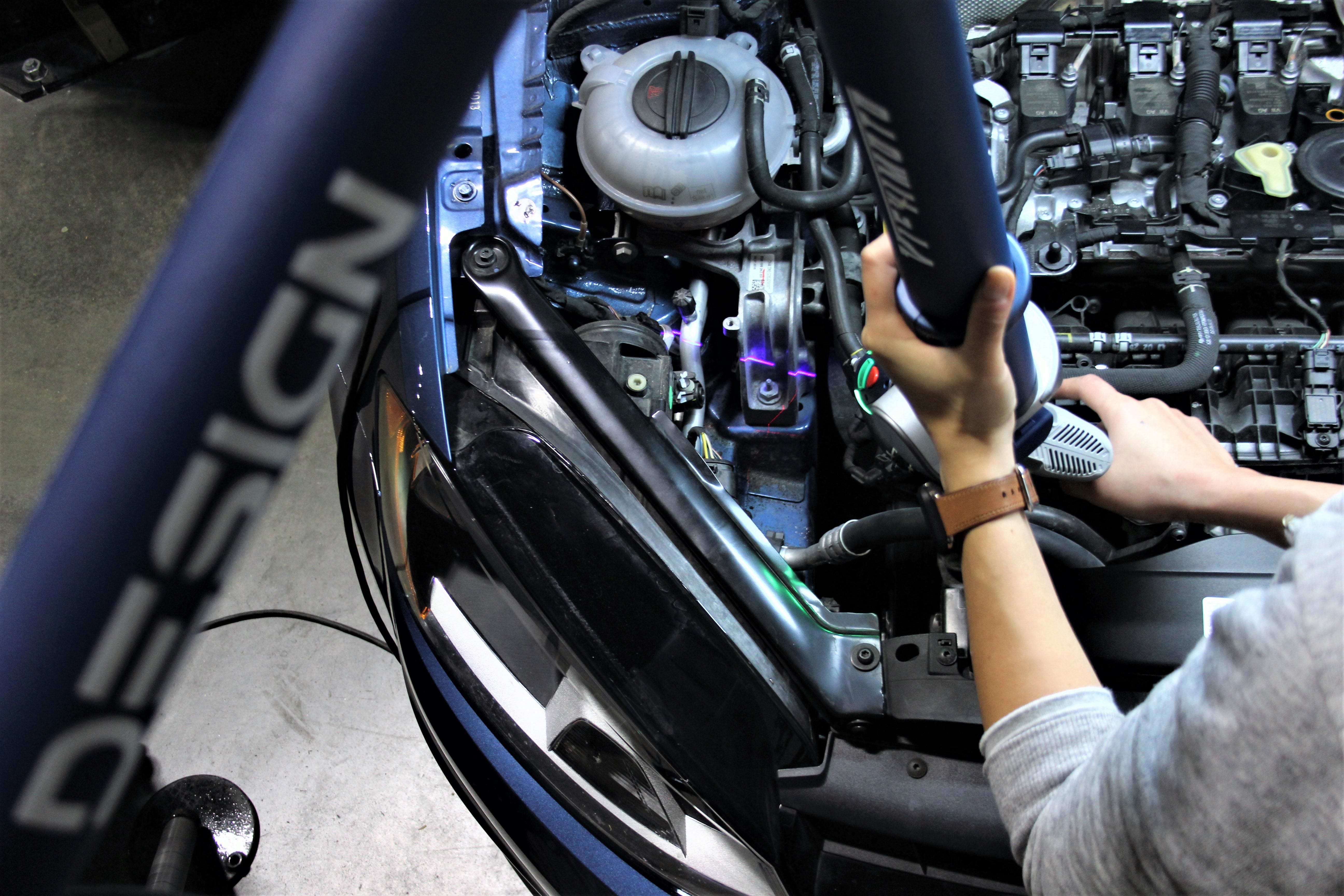
    Our direct-fit catch can kits are quickly becoming some of the best on the market, so I must say, we are getting good at this. It's all due to our incredibly talented engineering team, state-of-the-art tools and tech, and our non-stop drive to bring you the best products for your ride. The story is no different here with our MK7 GTI catch can project. We are making great progress, so I figured I'd let you guys in on the status since these

    Continue Reading »
  2. We Struck Oil - Catch Can R&D, Part 1: Stock System Review

    We Struck Oil - Catch Can R&D, Part 1: Stock System Review

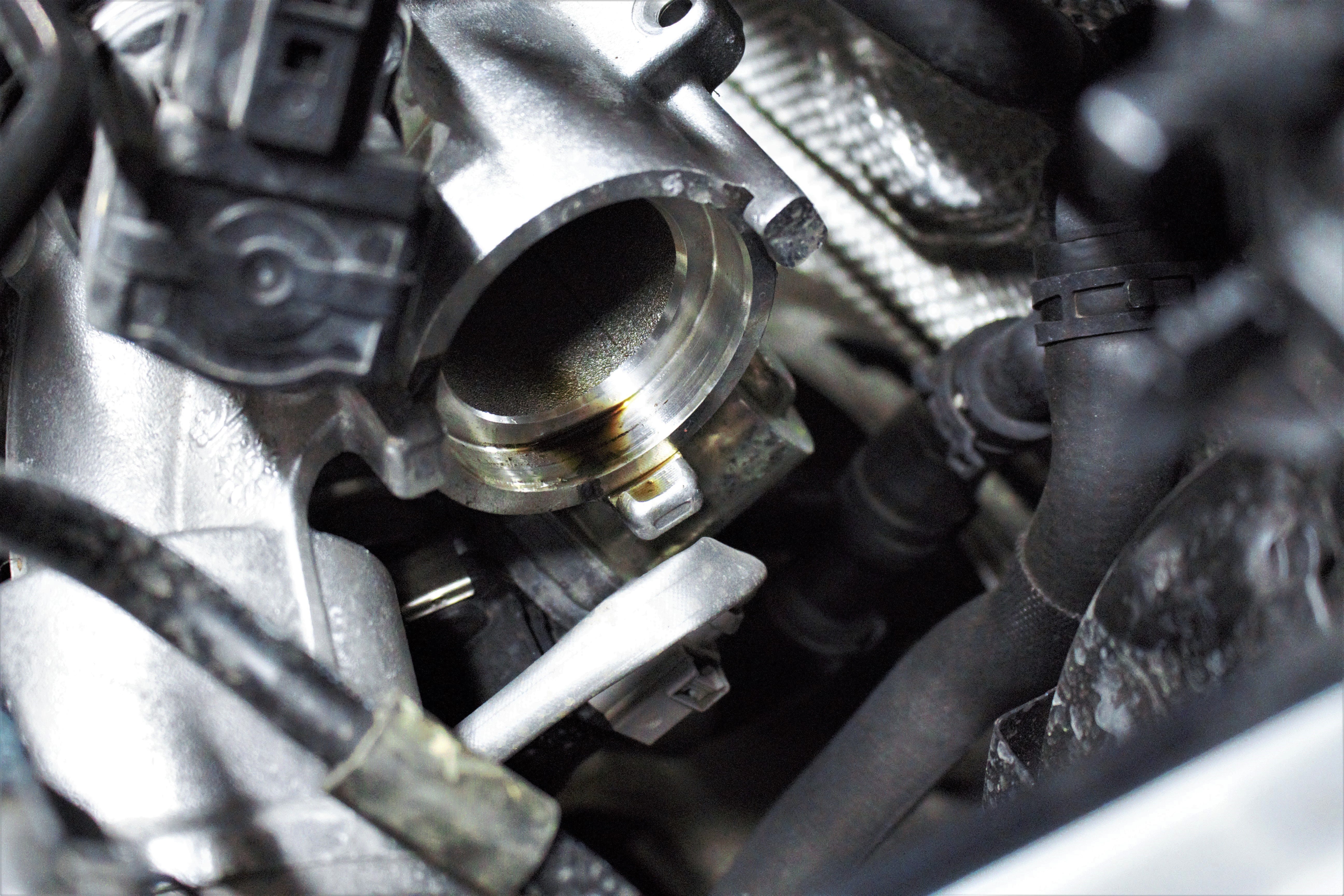
    Oil catch cans are a hotly debated topic, yet one fact is still irrefutable; oil blow-by will always be a real byproduct of the modern direct-injection engine. Intakes, charge pipes, and turbos all come into contact with the stuff over time. Sometimes, even newer, low mileage vehicles develop blow-by issues. With direct injection, fuel is injected directly into the cylinders, eventually resulting in carbon buildup on the valves. This was not an issue with port injection, since fuel injectors were placed in the intake manifold. The air-fuel mixture is sprayed directly on the valves, essentially cleaning them each time an injector fired.

    Carbon and oil buildup in direct-injection engines can negatively impact vital engine components and can result in an expensive fix later down the road. I can go into long, excruciatingly deep detail about the dangers of blow-by, but I've given you the basics of what you should know. For more information, I strongly suggest that you take a look at our technical

    Continue Reading »