Page 2 - Monthly Archives: May 2016

  1. The Mustang GT Intake R&D, Part 1: The Stock System

    The Mustang GT Intake R&D, Part 1: The Stock System

    We've had our Mustang GT for a good while now, and it's time to begin our development of the performance intake. We'll begin by quickly dissecting the stock system and deciding on the direction we'd like to go with our design.
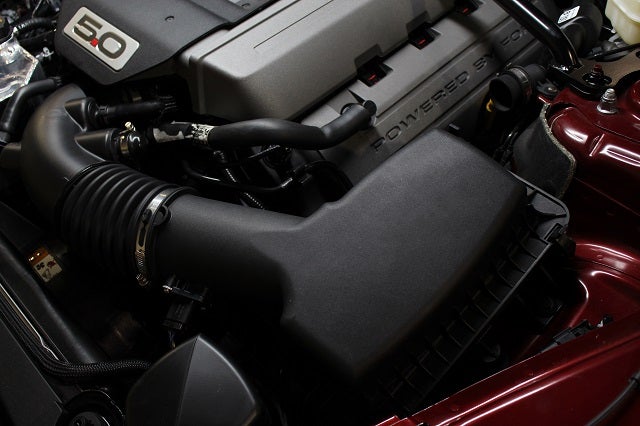
    Stock 2015+ Mustang GT intake
    Stock 2015+ Mustang GT intake

    The stock intake is fairly standard; from the center-mounted throttle body, the intake tube extends toward the driver side of the engine bay and incorporates the curved design that embodies the style of that classic V8 intake.
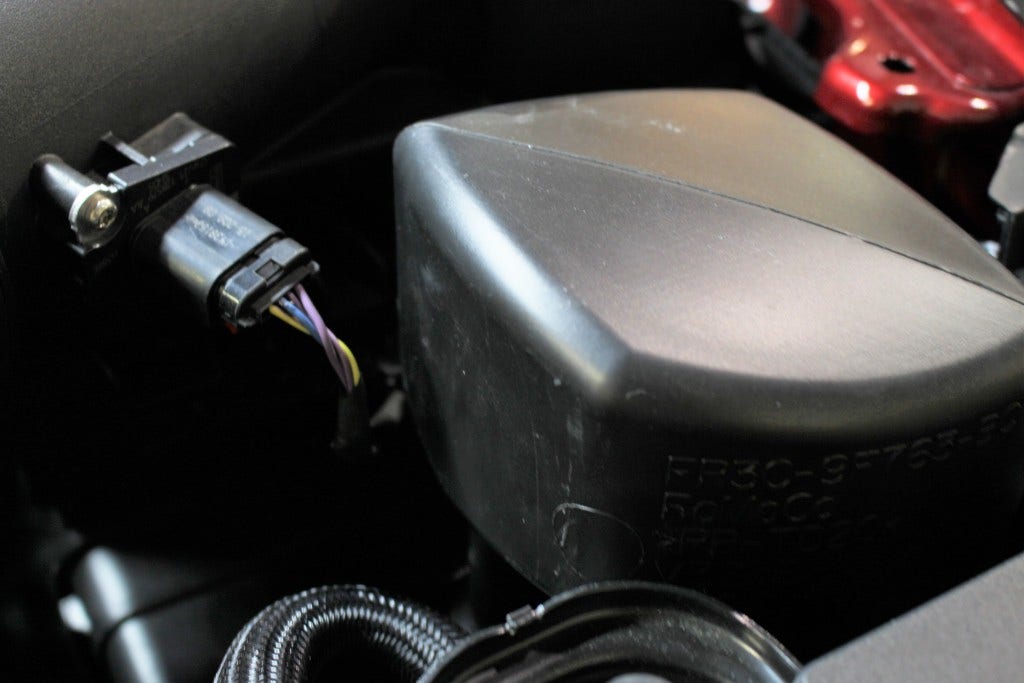
    Stock resonator and mass airflow sensor
    Stock resonator and mass airflow sensor

    Above is an image of the resonator. Most modern cars today have this part as a standard component attached to the intake system. Let's check out some shots of the intake system removed from the car.

    Stock 2015+ Mustang GT intake
    Stock 2015+ Mustang GT intake

    Stock 2015+ Mustang GT intake
    Stock 2015+ Mustang GT intake

    These stock 2015+ Mustang parts must compensate for the length of the front end of this car. Since this system is located some distance from the front end, the intake has a snout that grabs air right from the front grille.

    Continue Reading »
  2. Just the Way You're Crimped - Exhaust R&D, Part 2: Testing the Crimp Myth

    Just the Way You're Crimped - Exhaust R&D, Part 2: Testing the Crimp Myth

    Greetings, Camaro enthusiasts, and welcome to Part 2 of the Mishimoto R&D blog series on our 2016 Camaro SS Exhaust! As you may remember, we took a gander last time at the OEM exhaust, paying special attention to some of the really cool design features that make this system unique. One feature has emerged as a real point of contention and has become so hotly debated, that I wouldn't be surprised to hear about it on the next CNN Presidential Town Hall. I am referring, of course, to the crimped section of piping near the rear axles.

    For those of you not in the know, a variety of theories exist about the function of this design, and there is some uncertainty as to what its implications on power output might be.

    Well, we are here to put an end to the confusion. In the name of science, we have dyno tested the car with the ONLY changed variable being the presence or absence of the crimped section. Before I get to the results, let's get into how we isolated this piece of the 2016 Camaro SS exhaust

    Continue Reading »
  3. The Civic Has Boost! - Intake R&D, Part 3: Dyno Results

    The Civic Has Boost! - Intake R&D, Part 3: Dyno Results

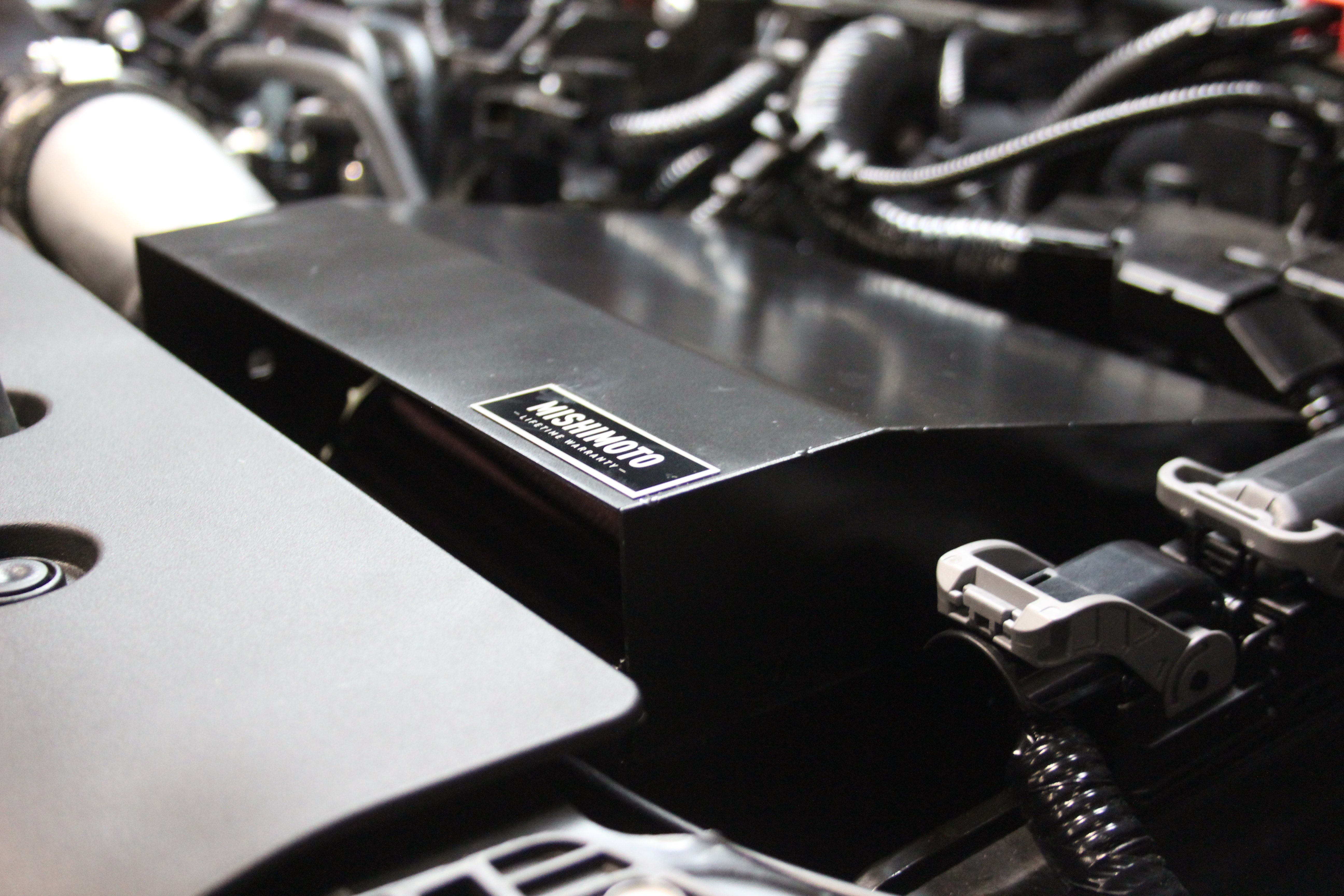
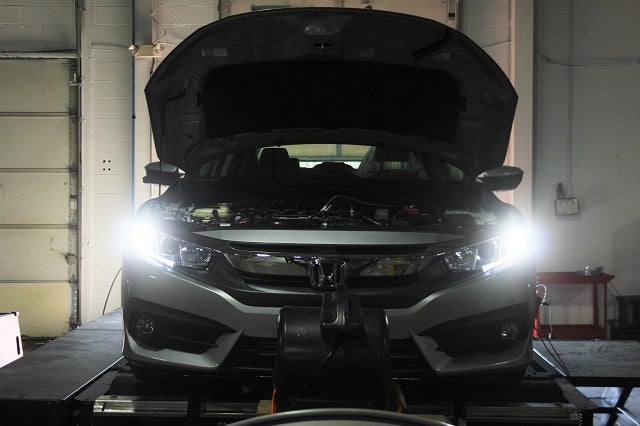
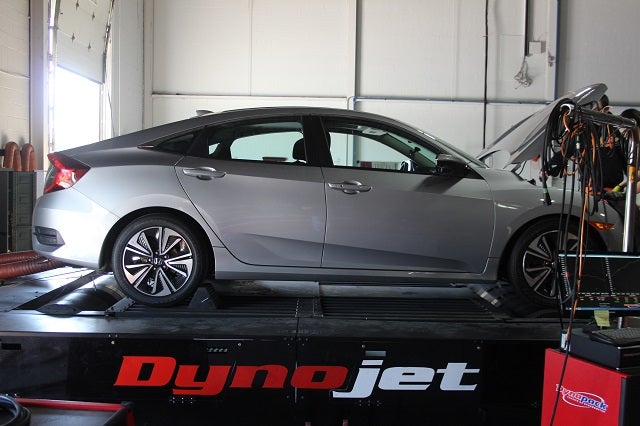
    Here we have another update for our 2016 Civic intake project. This Civic has finally been put on our dyno to see how our intake performs - and we have some results to share with our Civic community! This car was tricky to dyno properly because of the continuously variable transmission (CVT), but no corners were cut during our testing. Let's jump right in!

    2016 Honda Civic parts dyno testing
    2016 Honda Civic parts dyno testing

    The CVT

    2016 Honda Civic parts dyno testing
    2016 Honda Civic parts dyno testing

    Dyno testing a car with an automatic transmission is always a bit more complex than testing a manual transmission. The ability to shift the gears manually makes it a bit easier to set up a manual transmission on the dyno. With automatic shifting, however, finding an appropriate final gear ratio is not a simple task.

    A continuously variable transmission (CVT), has a continuous range of effective gear ratios. The gear changes are more seamless than in a conventional mechanical transmission, which has a limited number of gear ratios. With a CVT design, the angular

    Continue Reading »